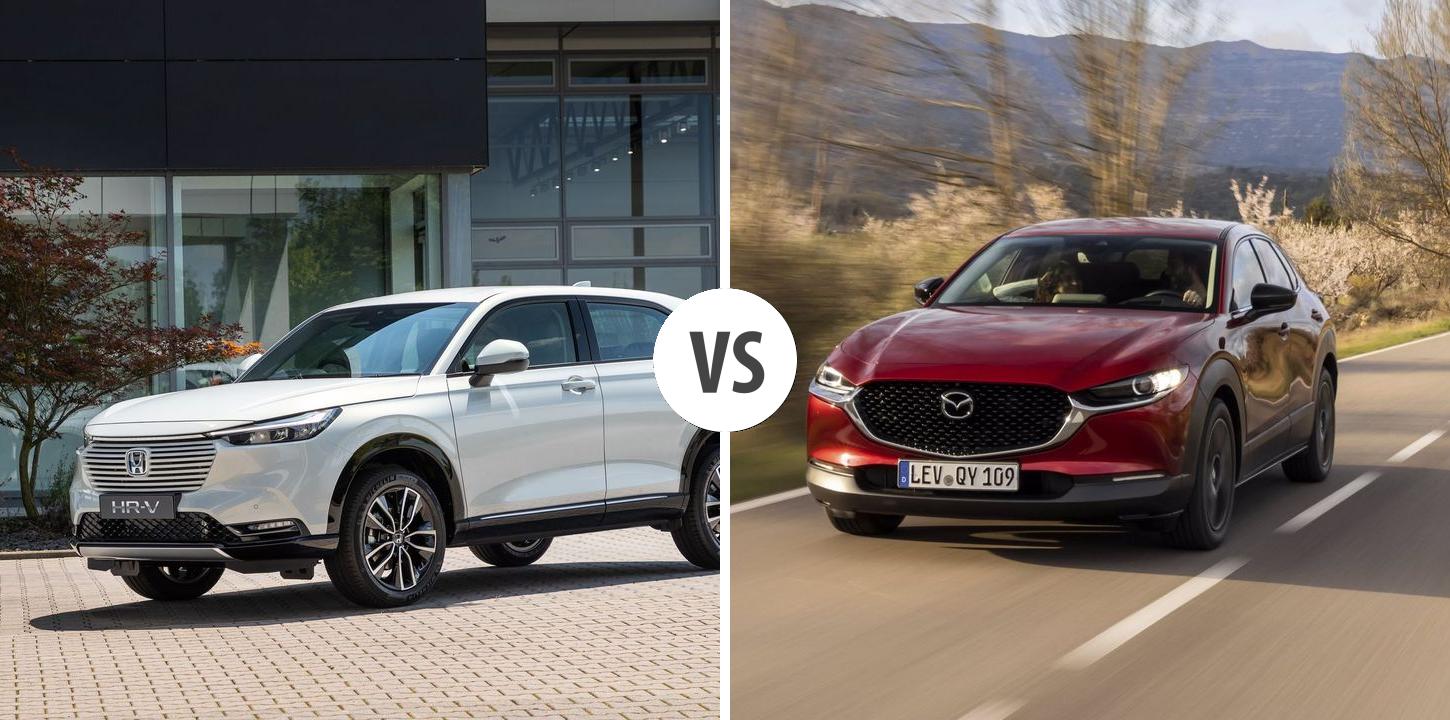
Choosing between the Mazda CX-30 and the Honda HR-V can feel like comparing two different interpretations of “small SUV.” Both live in the subcompact crossover universe, both aim to be budget-smart without feeling budget-flavored, and both promise an everyday sort of confidence. Yet they express that promise in markedly different dialects. The CX-30 tends to lean into premium restraint—sharp design cues, a driver-focused mood, and an almost artisanal approach to interior materials. The HR-V, meanwhile, speaks in practical sentences—smart packaging, useful cargo geometry, and a comfort-first ride that makes daily commutes feel effortless.
In this head-to-head, the real question isn’t just which one is better. It’s which one is better for your particular rhythm: your routes, your passengers, your weekends, and your tolerance for trade-offs. What you value will determine whether Mazda’s poised posture or Honda’s flexible pragmatism feels more like home.
First impressions: styling, stance, and the “personality” factor
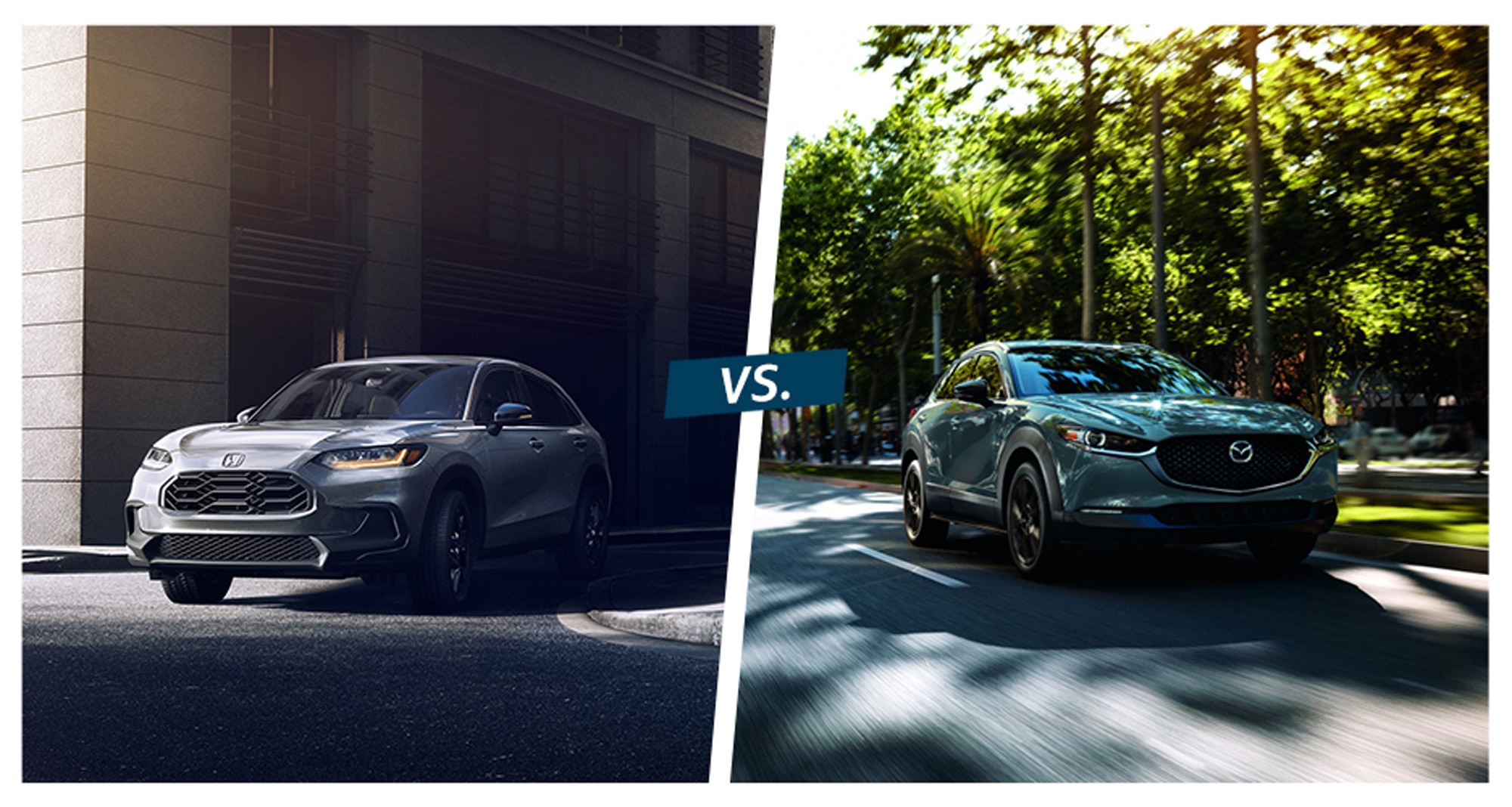
The Mazda CX-30 arrives with a curvier, more sculpted presence—its bodywork reads like a composition rather than a utilitarian shell. From the outside, it looks more “grown-up,” with a lower visual center of gravity and details that suggest motion even when parked. It’s a vehicle that can make ordinary errands feel slightly more deliberate.
The Honda HR-V wears its design with a different confidence. It’s crisp, approachable, and undeniably modern. While it may not feel as theatrically refined as the CX-30, it prioritizes clarity—simple lines, a clean greenhouse, and a layout intended to support real life rather than impress with flourish.
Consider this: if you want your driveway to look more like an art gallery, the CX-30 likely resonates. If you want your crossover to feel familiar and friendly at first glance, the HR-V’s demeanor will probably fit better.
Interior ambience: premium ambience vs everyday usability
Step into the CX-30 and you’ll notice how the cabin is arranged to encourage a driver’s focus. Mazda’s interior styling tends to emphasize tactile surfaces and visual coherence. Even at rest, the dashboard feels intentionally composed, with controls placed to reduce distraction. The result is an atmosphere that can feel calmer and more premium—even before you start driving.
The HR-V’s interior aims for ergonomic simplicity. It feels like a place designed for people who live, not just people who admire. Controls are logically laid out, seating provides supportive comfort, and the overall design supports longer days—workdays, school runs, and everything between.
If you’re sensitive to “ambient mood,” the Mazda’s cabin might feel more satisfying. If you prefer an interior that prioritizes ease and practicality above all, Honda’s approach is compelling.
Driving feel: when performance is more about character than numbers
The CX-30 is often described as more engaging in its demeanor. Steering response can feel more immediate, and the vehicle’s overall tuning tends to reward attentive driving. It’s not a sports car, but it doesn’t approach the road with timid neutrality either. Think of it as a crossover with a subtle sense of occasion.
The HR-V leans into comfort and composure. It tends to absorb imperfections smoothly, aiming to keep occupants relaxed even when roads turn coarse. The ride can feel quietly confident rather than theatrically sharp. For people who value commuting ease and low-stress driving, that matters as much as acceleration does.
Here’s a useful way to decide: do you want your daily drive to feel connected, or do you want it to feel effortless? The Mazda typically rewards connection. The Honda usually delivers effortless ease.
Space and practicality: cargo geometry that earns its keep
Subcompact crossovers live or die by their usefulness, and this is where the HR-V often earns admiration. Its interior layout is oriented toward maximizing everyday utility. Rear seating can be configured to balance passenger space and cargo capacity in a way that feels intuitive—like the vehicle was designed around real errands rather than showroom photos.
The CX-30 also provides respectable space, but its interior proportions often lean slightly more toward a premium, driver-centric vibe. That doesn’t mean it’s cramped; it simply suggests that Mazda is prioritizing a particular kind of refinement in the cabin layout.
If your life includes frequent grocery runs, stroller storage, weekend gear, or moving stuff without turning it into a project, Honda’s practicality tends to shine. If you want a crossover that still makes daily hauling easy but you’d rather prioritize cabin feel and driving character, the Mazda remains persuasive.
Technology and infotainment: clarity, convenience, and learning curves
Modern crossovers live and die by their user experience. Both vehicles offer infotainment systems intended to integrate with smartphones smoothly. Still, subtle differences can change how “second nature” the system feels after a few weeks of ownership.
In the CX-30, the technology experience often feels integrated into the cabin’s overall design language. The interface tends to be designed for quick scanning and confident interaction—important because distractions are the enemy of everyday driving.
In the HR-V, the focus is on accessibility. The system and controls aim to be straightforward, supporting quick adjustments without requiring a deep dive into menus.
For tech-heavy households, both can work well. For drivers who prefer minimal fuss, the Honda may feel more immediately comfortable. For those who enjoy a cohesive, premium-styled cockpit, the Mazda can feel more satisfying.
Comfort and ergonomics: seating, visibility, and long-distance calm
Comfort in a subcompact crossover isn’t only about cushioning. It’s also about seating position, seat support, steering wheel reach, and visibility. The HR-V typically delivers a relaxed seating posture. It’s built for the long-haul kind of daily life—kids, commutes, and the quiet relief of arriving without feeling wrung out.
The CX-30 often appeals to drivers who want a more purposeful stance. Seating and steering positioning are frequently aligned with a more engaged drive style, helping the cockpit feel like it’s tuned to you.
Visibility can influence confidence, especially in dense urban conditions. Both are designed to provide practical sightlines, but the experience may vary slightly based on your height and seating preference. A brief test drive is the best diagnostic here—your body will reveal what your spreadsheets can’t.
Safety and driver assistance: the reassurance layer
Safety systems increasingly shape the ownership experience, not just the test drive. Driver-assistance features can reduce fatigue by adding a layer of awareness—helping with lane-related tasks, collision avoidance, and overall situational monitoring.
Both the CX-30 and HR-V generally offer modern safety technologies typical of their category. The differences come down to how features are calibrated and how they behave in real-world traffic. Some drivers prefer systems that feel subtle and unobtrusive. Others want the kind of feedback that feels more assertive. The best way to understand this is through hands-on driving where sensors and alerts become familiar.
Cost of ownership: value, maintenance expectations, and lifestyle fit
When shoppers compare subcompact crossovers, they’re not only looking at the sticker price. They’re thinking about what ownership will feel like over time: maintenance frequency, parts availability, insurance costs, and resale confidence.
Honda’s reputation often supports predictable ownership economics. Its vehicles are frequently associated with practicality and long-term reliability in the minds of many buyers. Mazda, on the other hand, tends to attract drivers who value premium design and driving character, sometimes accepting slightly different cost dynamics in exchange for the experience.
Both brands can make sense financially. The deciding factor is whether the CX-30’s premium feeling and road manners are worth the specific trade-offs for your budget. If value means doing more with less hassle, the HR-V is often an easy recommendation. If value means enjoying every mile while still staying within the subcompact premium lane, the Mazda’s proposition is stronger.
Who should buy which? Practical portraits of real owners
Choose the Honda HR-V if your days revolve around usefulness: transporting people and items without fuss, maximizing cargo flexibility, and prioritizing a comfortable commute. The HR-V suits families, first-time crossover shoppers, and anyone who wants a vehicle that feels like it’s designed to make errands painless.
Choose the Mazda CX-30 if your definition of “subcompact premium” includes a more driver-oriented cabin mood, a more engaging steering feel, and a design aesthetic that stays attractive long after the new-car glow fades. The CX-30 fits drivers who care about how the car communicates through touch, layout, and the subtle choreography of steering and road texture.
Making the final call: a test-drive checklist
Before signing anything, bring a small checklist to the dealership. Sit in both cars with the steering wheel at your preferred position. Notice how your knees align, how easily you reach key controls, and how natural the seating posture feels.
Next, do a “load simulation” of your real life. Visualize where your bags go, how often you’ll fold seats, and how easy it is to access cargo. Finally, drive in the conditions you actually face—city traffic, highway stretches, and uneven pavement. The CX-30 tends to reveal its character under attentive driving. The HR-V tends to prove its practicality when comfort and flexibility matter most.
Conclusion: two different advantages in the same small footprint
The Mazda CX-30 and Honda HR-V both belong to the subcompact crossover conversation, but they don’t argue in the same way. The CX-30 leans into premium sensibility—design restraint, driver-focused character, and a cabin that feels composed. The HR-V leans into practical life—flexible usability, everyday comfort, and a layout that supports real routines.
When you choose between them, you’re not just selecting a vehicle. You’re selecting a daily experience—either the polished confidence of Mazda’s approach or the functional calm of Honda’s. Test-drive both, pay attention to what your body and habits prefer, and the right answer will become less like a debate and more like a natural fit.