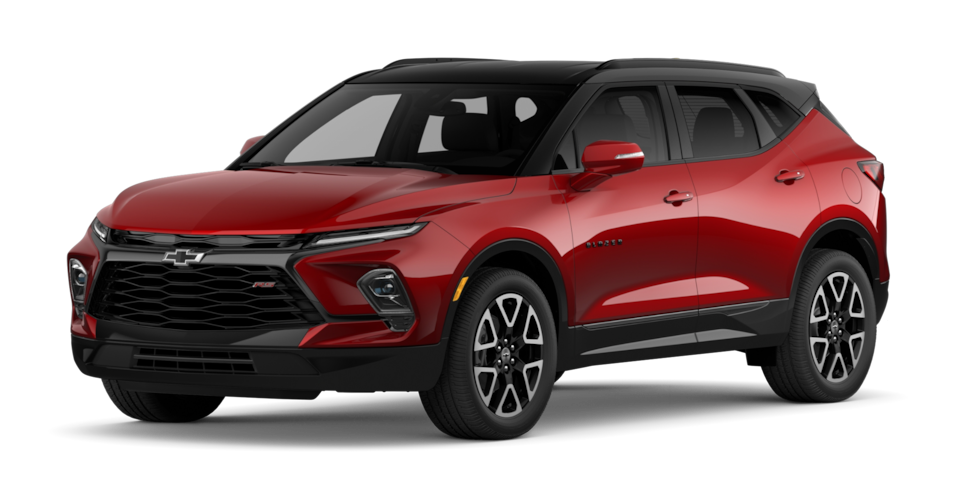
The Chevrolet Blazer has always carried itself like a confident houseguest—easy to welcome, difficult to forget. Yet the RS performance trim adds a sharper silhouette to that charm, the kind of detail you notice only after the first drive: a quiet assurance that something under the hood is eager to speak louder than the rest of the lineup. The RS doesn’t simply chase speed. It curates momentum. It turns everyday roads into a stage, where the steering feels more intent and the throttle response feels less like an on/off switch and more like a conversation.
In the Blazer RS, power is not an abstract promise. It’s an atmosphere. Like a bassline under music, it’s present even when you’re not fully leaning into it. And when you do lean in, the vehicle reacts with a crispness that feels engineered rather than accidental—an interplay of mechanical confidence and design restraint.
Design Language: Where Sport Meets Familiar Comfort
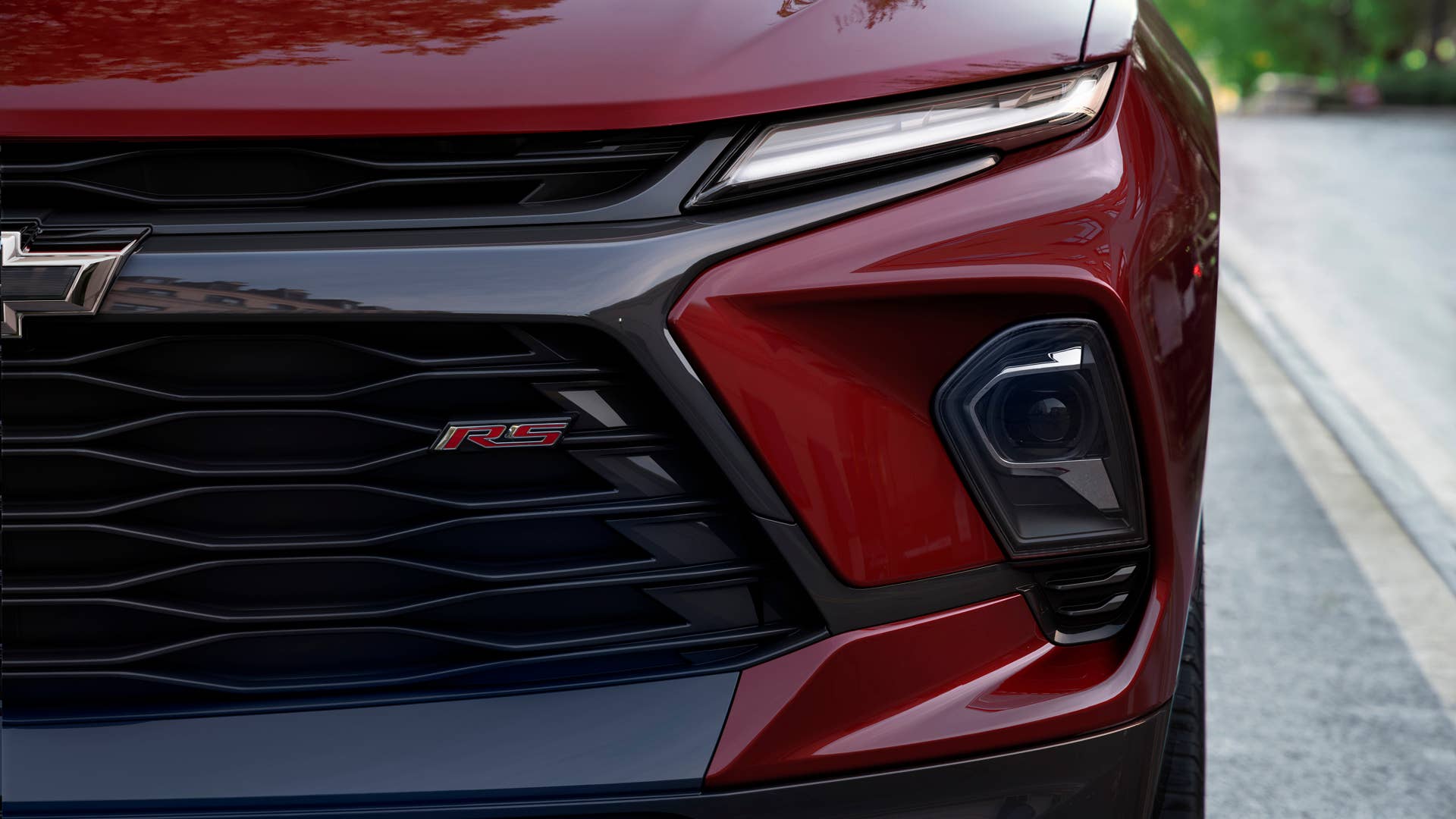
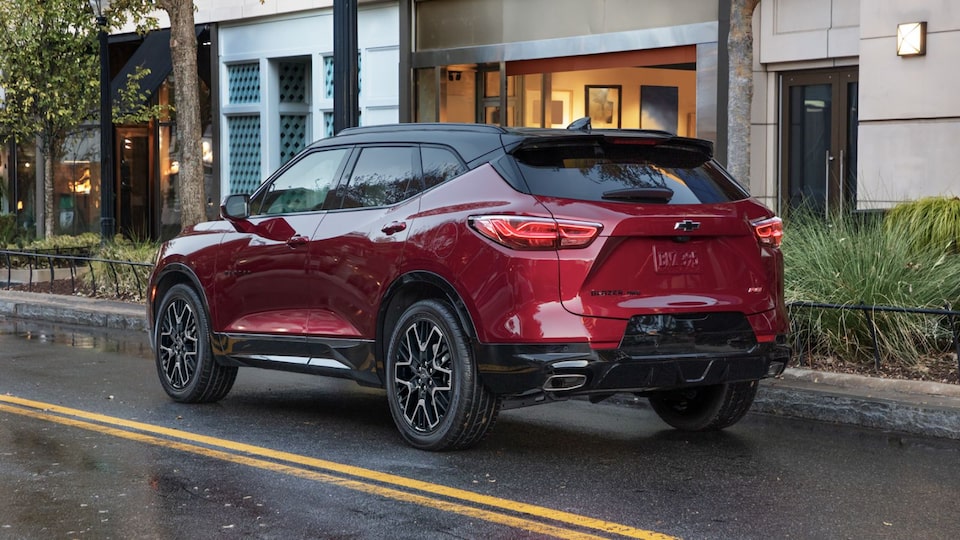
Step into the Blazer RS and you’ll recognize the brand’s commitment to modern proportioning. The RS trim sharpens that language with bolder visual cues. The grille and front fascia read like a grin with teeth—friendly at a glance, purposeful up close. The exterior styling doesn’t shout constantly. It modulates its intensity, like a spotlight that sweeps across the stage only when the lead enters.
Wheels, trim accents, and athletic lines work together to create a sporty stance without sacrificing the Blazer’s approachable character. Even when the car is parked, it seems to hold a slight forward lean, as if it’s listening for the next instruction.
Performance Identity: The RS Mindset Behind the Motion
Performance trims are sometimes just cosmetic seasoning. The Blazer RS resists that temptation. It is built around the notion that power should be usable—deliverable in traffic, confidence-inspiring on highways, and meaningful on twisty stretches where the road rewards attention.
The RS character often reveals itself through throttle behavior and steering feedback. The car feels eager to translate intention into movement. Short inputs produce readable results. Long inputs don’t feel vague or delayed. That matters, because a performance trim should not merely impress in a straight-line sprint. It should stay coherent when conditions get complicated.
What’s intriguing is how the Blazer RS manages to feel both spirited and grounded. It doesn’t go full theater mode. It keeps its poise, like a skilled conductor who can raise the tempo without losing the harmony.
Power and Response: Acceleration With a Sense of Theater
Acceleration in the RS trim tends to feel less like a shove and more like a surge. The vehicle seems to build speed with progressive urgency, pulling away in a way that feels composed. Passing maneuvers become less stressful. Merging becomes a matter of timing rather than negotiation.
There’s also a subtle satisfaction in how the Blazer RS handles the moments between changes—those seconds where drivers often sense whether a drivetrain is “smooth” or simply “fast.” The RS leans toward a more refined delivery. Even when you demand more, the response remains legible, not chaotic.
The result is a driving experience that feels like a well-rehearsed routine. You ask. It answers. And the answer sounds like intention, not improvisation.
Handling and Chassis Behavior: Precision Without Fragility
Sporty trims can sometimes trade away comfort for sharpness. The Blazer RS strikes a more balanced tone. Its handling communicates road texture and steering load with clarity, allowing the driver to place the vehicle confidently through corners and around traffic-calming curves.
Suspension tuning plays a major role here. The ride quality feels composed over uneven surfaces, while still providing enough athletic firmness to keep body motions controlled. In other words, it’s tuned for the kind of driving where you might leave the highway and wander into roads with personality.
When you turn in, the Blazer RS feels stable and predictable. Stability isn’t dullness; it’s the ability to remain calm while moving quickly. The RS uses that advantage to make driver confidence feel almost automatic.
Braking and Confidence: Stopping as a Statement
Good brakes are more than performance equipment—they’re peace of mind. In the Blazer RS, braking feels consistent and responsive. Press hard and the pedal delivers a sense of control that encourages commitment. Ease off and the car settles without drama.
That predictability can be especially valuable during late braking, emergency avoidance, or downhill descents where hesitation becomes costly. The RS trim treats braking like a discipline, not a gamble.
Technology and Driver Interface: The Cabin as Command Center
Inside, the Blazer RS leans into a driver-focused atmosphere. Controls feel designed for quick comprehension, and the layout supports a sense of order. It’s not just about screens and buttons—it’s about ergonomics and the way information arrives when you need it.
Infotainment and connectivity features typically aim to reduce friction: fewer steps to find navigation, more clarity in audio and media, and a smoother transition between systems. The goal is to keep attention on driving, not on deciphering menus.
Even when the cabin is calm, it carries an undercurrent of sport—like a lounge that happens to have a racecar memory tucked under the seat.
Comfort and Practicality: Performance That Still Belongs to Real Life
Some performance trims forget their audience. The Blazer RS doesn’t. It remains versatile, ready for errands, family logistics, and long highway stretches that require endurance rather than adrenaline.
Visibility remains strong, and seating positions tend to support confident, long-duration driving. The cabin’s comfort helps the RS trim feel like it can do more than impress for a short burst of enthusiasm. It can live with you.
Behind the scenes, practicality matters—cargo space, easy ingress and egress, and the ability to handle daily variability. Performance is fun, but utility keeps the story going.
Trim Lineup Context: Why “RS” Feels Like a Distinct Chapter
When you compare the RS trim’s identity to other trims, the difference becomes clearer. The RS is less about being merely different and more about being unmistakably itself. It’s a trim that suggests a certain temperament—one that enjoys the road’s contours, values responsive behavior, and appreciates styling that implies motion even when parked.
Chevrolet’s lineup approach means shoppers can select their flavor of Blazer character. But the RS trim stands out as the one that leans toward performance without abandoning the everyday.
Who It’s For: The Driver Seeking Flair With Substance
The Blazer RS appeals to a specific kind of enthusiast. Not necessarily someone chasing track times, but someone who wants the steering to feel alive, who prefers acceleration that arrives with intent, and who appreciates a cabin that supports rather than distracts.
It’s for drivers who like their sport to be integrated—part of the vehicle’s personality, not a feature toggled on only during occasional drives. If you enjoy spirited commutes, weekend backroads, and the occasional desire to merge with authority, the RS trim fits like the right key in the right lock.
Final Verdict: A Performance Trim That Speaks in Metaphors
The Chevrolet Blazer Review—RS Performance Trim—is ultimately a story about coherence. The RS trim takes the Blazer’s baseline competence and sharpens it into something more memorable. It feels like a confident stride: balanced, purposeful, and quietly exhilarating.
From the aggressive-yet-controlled exterior presence to the composed, responsive driving character, the RS trim doesn’t chase attention through chaos. It earns respect through clarity. It’s the kind of vehicle that makes ordinary roads feel more interesting, and it does so with a blend of performance discipline and everyday usability.
If you’re looking for a crossover that treats driving as an experience—complete with drama, timing, and control—the Blazer RS is ready to take the wheel of your routine and turn it into a route worth repeating.