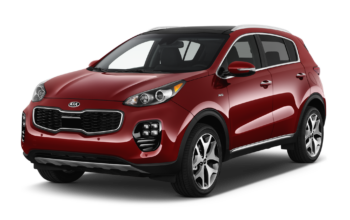
The Kia Sorento has a talent for persuading you—quietly at first, then all at once. It starts with the familiar promise of a seven-seat SUV, but the moment optional 3-row seating becomes part of the conversation, a different kind of curiosity sets in. Why do some families and road-trip enthusiasts get almost spellbound by the idea of bringing more people along, instead of just making do with less? The answer often lies deeper than practicality. It’s about choreography: how everyone’s day fits together, how belongings multiply, and how comfort turns logistics from a chore into a small ritual of anticipation.
In this review, the focus narrows to optional 3-row seating—not as a checkbox feature, but as a design philosophy. Because when a vehicle offers a third row, it’s never only about “space.” It’s about possibility. And for the Sorento, that possibility is packaged with a level of everyday usability that makes the extra seats feel less like an emergency solution and more like an intentional lifestyle option.
Optional 3-Row Seating: The Sorento’s Real Flex
Most SUVs advertise seating capacity with the confidence of a sales brochure. The Sorento does something subtler. With optional 3-row seating, the car invites you to imagine scenarios: weekend gatherings where you’re no longer stuck calculating who rides in the cargo area, school runs where friends tag along, and holiday road trips where nobody has to become “the one” in the back. The fascination begins when the third row stops feeling hypothetical and starts feeling employable.
From a structural standpoint, the third row changes how the vehicle behaves emotionally. It encourages planning. It changes how you pack. Even the way you drive can shift, because the knowledge that more passengers can fit encourages smoother, calmer decision-making. That’s why optional 3-row seating can feel oddly compelling—because it recalibrates your expectations of what “ready” means.
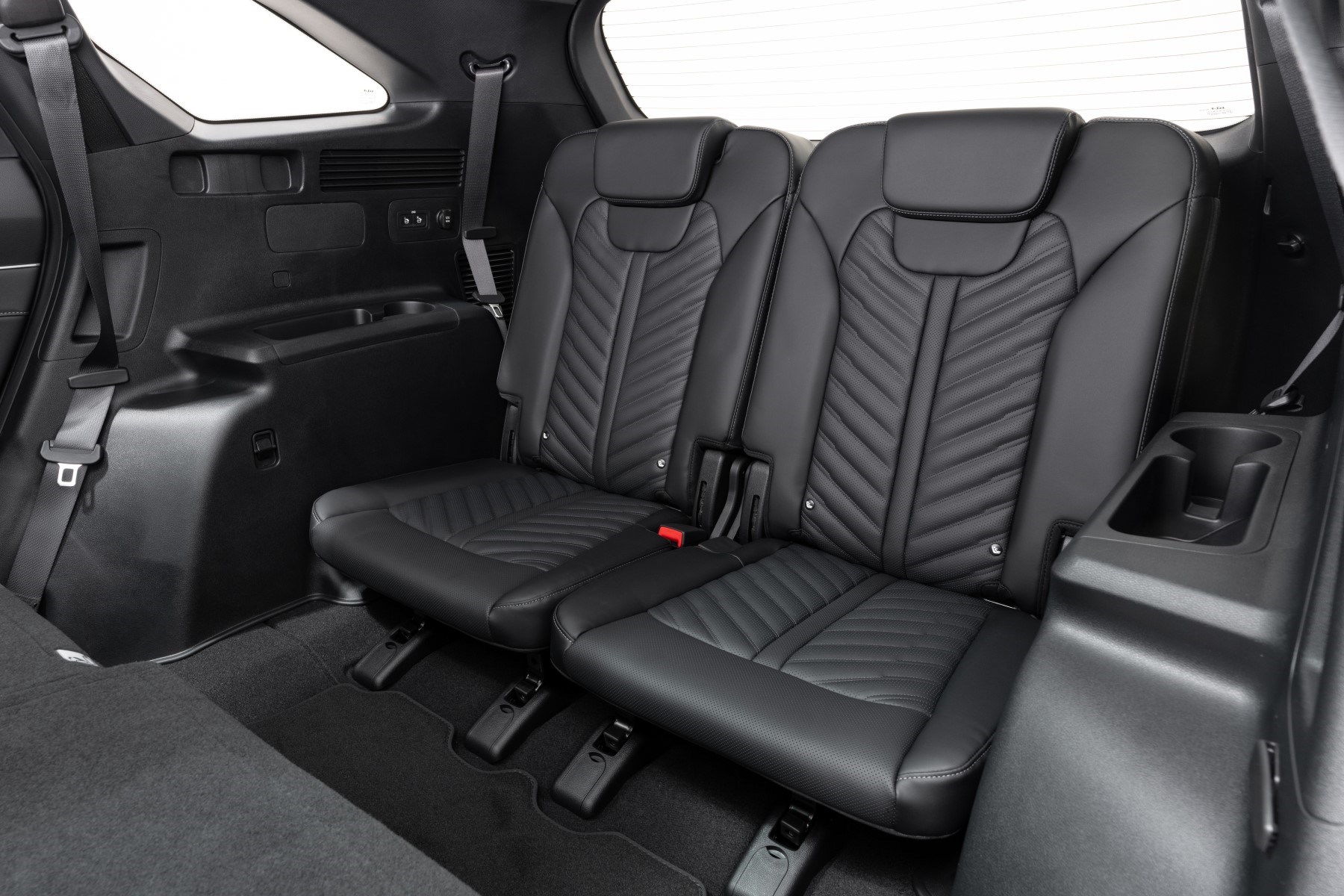
Space and Access: Where Convenience Is Won or Lost
Folding seats are common. Actually living with them is not. A third row’s usability hinges on access—how easily passengers can enter and exit, and how awkward the process feels when you’re doing it for real. The Sorento’s layout is designed with the idea that you won’t always be transporting the same group of occupants. Sometimes the third row is full. Sometimes it’s folded and forgotten. When you need it again, it should respond without drama.
Entry into the rear area tends to be the defining moment. That short pause at the door—whether you must contort, whether you worry about scuffing, whether you can get someone seated without turning the whole cabin into a wrestling match—determines whether the third row becomes beloved or ignored. The Sorento’s packaging aims to minimize that friction, helping the optional seats feel like a genuine extension of the cabin rather than a compromise.
And then there’s the matter of sightlines. Even with seats arranged for practicality, the feeling of openness matters. A vehicle can be spacious on paper while still feeling claustrophobic. Here, the third row supports a more balanced cabin sensation, which helps passengers settle in instead of bracing for discomfort.
Comfort in the Third Row: Not Just a Seat, a Promise
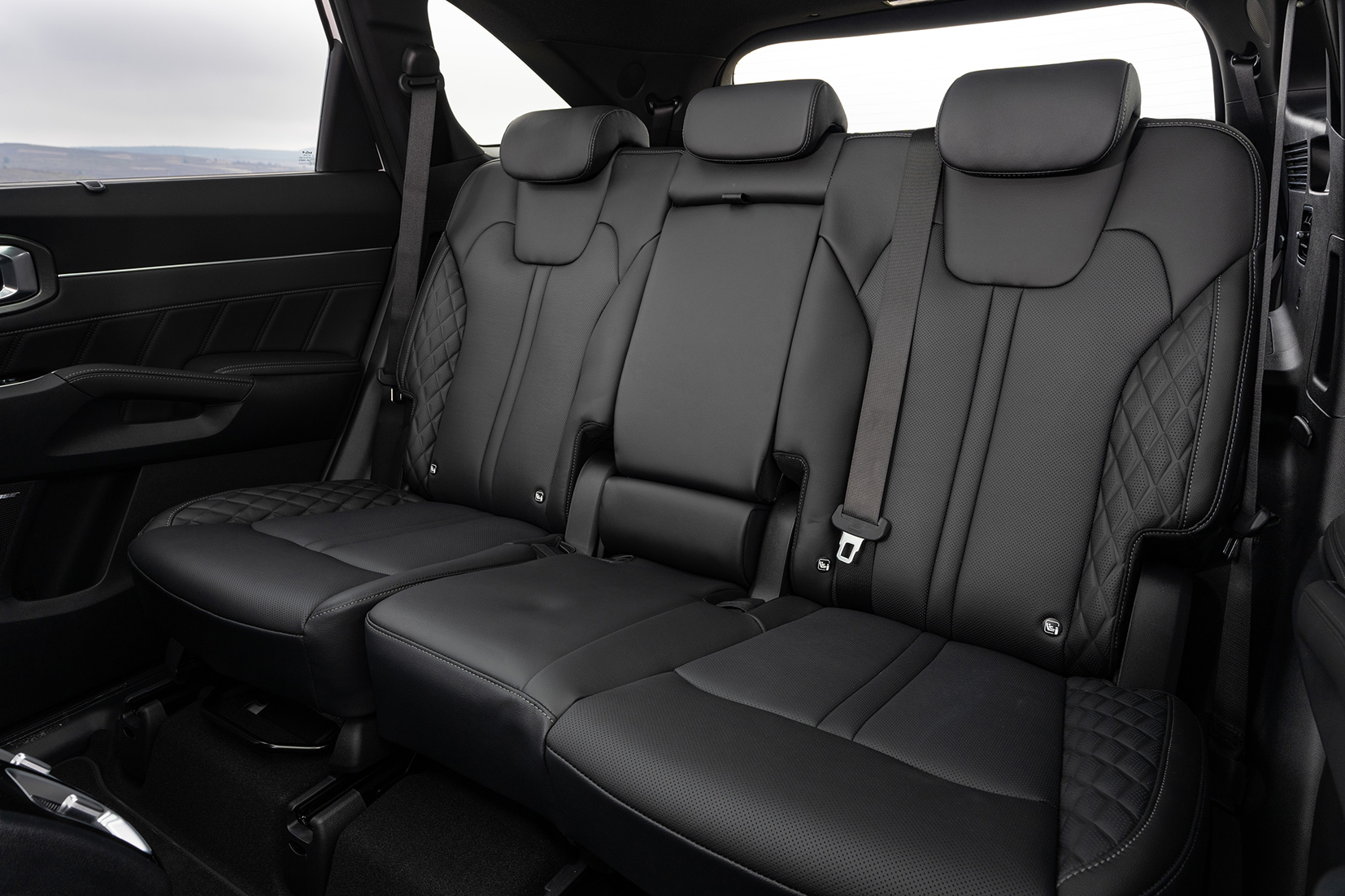
Comfort is the quiet metric that separates “can seat seven” from “can seat seven for more than a quick errand.” On longer routes, the third row becomes a barometer. How does it handle legroom? How does it respond to changes in temperature? Do passengers feel secluded or merely tucked away? The Sorento’s optional 3-row seating is engineered to deliver comfort that’s believable—particularly for children, teenagers, and adults on shorter-to-medium journeys.
There’s a deeper reason people become fascinated with third-row SUVs. It’s not merely about fitting bodies. It’s about keeping relationships intact during travel. When everyone is comfortable, the atmosphere stays lighter. Conversations continue instead of dwindling. The mood survives the miles.
Seatbacks, cushioning, and the overall geometry contribute to that comfort. Even the way the third row feels in terms of support influences perceived wellbeing. A lightly supported seat turns a trip into a test. A properly designed one turns it into a shared experience.
Practicality Meets the Daily Rhythm
The Sorento’s third-row option earns its keep when your life doesn’t stay still. One day, it’s friends heading to a game. The next, it’s a grandparent visit. Another day, it’s groceries, sports equipment, and the strange overflow of everyday objects that seem to multiply in the boot. Optional 3-row seating changes how you approach the vehicle like a system rather than a static product.
Folding the second and third rows should feel like a quick adjustment, not a puzzle. When the Sorento’s configurations are used intelligently—third row down for cargo, third row up for passengers—the result is a sense of control. That feeling is surprisingly rare. Many SUVs become awkward multipurpose compromises. The Sorento aims for a more coherent transformation.
And yes, there’s a subtle psychological payoff. Knowing you can reconfigure space on demand reduces the anxiety of “Will there be room?” That’s where fascination becomes habitual behavior.
Packaging and Design: Why It Feels Intentionally Built
Optional seating isn’t only about adding an extra bench. It requires rethinking proportions, load paths, cabin layout, and even the way materials feel under touch. The Sorento’s cabin architecture reflects that seriousness. The third row doesn’t appear tacked on; it’s integrated into the overall sense of cabin order.
That integration is why the Sorento can attract those who appreciate more than surface-level features. Car buyers often chase specifications. Enthusiasts chase coherence—the sense that every element belongs. With optional 3-row seating, the Sorento earns attention because the third row is treated as part of the identity, not merely an add-on.
Who It’s For: Families, Friends, and the Road-Trip Mentality
The Sorento’s optional 3-row layout is best suited for households that frequently travel with more people than their schedules pretend they will. It fits families that want flexibility without owning two vehicles. It fits social groups that treat cars like mobile living rooms. And it fits road-trip mentalities where destinations are exciting, but the journey is part of the story.
It’s also ideal for those who occasionally need extra seats—people who don’t always use the third row, but want it available the moment plans expand. That “moment of expansion” is the reason these cars continue to attract fascination: plans rarely shrink, and having the capacity to scale up is a form of freedom.
Living With the Third Row: A Real-World Perspective
To be honest, every third row has a personality. It’s usually the row you reserve for younger passengers or shorter legs, because it’s designed around compact space efficiency. Yet the Sorento’s optional setup makes the third row feel more usable than many alternatives. The difference is the quality of the experience, not just the dimensions.
On day-to-day errands, the third row can be folded out of the way without turning the vehicle into an engineering project. On event days, it becomes a ready-made solution. That balance—between ease and capability—is where the Sorento’s optional 3-row seating earns its reputation.
Conclusion: The Fascination Is the Freedom
Optional 3-row seating transforms the Kia Sorento from a practical SUV into a flexible platform for real life. People don’t fall in love with third rows solely because they’re impressed by capacity numbers. They’re drawn to the idea that their world can expand—more passengers, more destinations, more spontaneity—without the cabin becoming a bottleneck.
The Sorento’s approach to optional 3-row seating feels thoughtfully orchestrated. It prioritizes access, aims for believable comfort, and supports the daily rhythm of packing and reconfiguring. And in the end, that’s the deeper reason behind the fascination: the third row doesn’t just add seats. It adds options. It adds reassurance. It adds the calm confidence that no invitation has to be politely declined because the car can’t quite do it.