The question “Is the Kia Seltos the best value subcompact SUV?” sounds simple, but the answer is rarely binary. Value is a moving target: it’s the balance between purchase price, ongoing costs, comfort, safety, powertrain character, and the quiet confidence that comes with a car that feels composed in everyday life. The Seltos aims squarely at that sweet spot—offering modern styling, practical cabin space, and a feature list that punches above its class.
Yet value isn’t only about what’s on the spec sheet. It’s also about how the Seltos behaves on a slip-road at rush hour, how it handles long commutes, and whether the interior materials and ergonomics feel coherent rather than merely adequate. This review explores those realities, with an emphasis on the kinds of information different readers tend to seek—buyers shopping by budget, families prioritizing usability, commuters chasing comfort, and enthusiasts who still want the steering and drivetrain to feel alive.
Across this article, you’ll find sections that mirror how people actually research: quick takeaways for skimmers, deeper explanations for detail-seekers, and practical considerations for those who plan to test drive or compare alternatives.

What “Best Value” Means in a Subcompact SUV
Value in the subcompact SUV segment is a choreography of compromises. You generally trade off some refinement, some cargo volume, or some performance bravado in exchange for affordability and the convenience of a taller driving position. The Seltos tries to rearrange that calculus.
For many shoppers, “best value” boils down to three things. First, does the Seltos deliver the features you expect—plus a few extras—without ballooning the price? Second, does it hold up over time, with an interior that doesn’t feel flimsy after a few months? Third, does it create a driving experience that reduces daily fatigue?
Answer those questions, and the Seltos starts to look less like a bargain and more like a strategy: a car that tries to be broadly satisfying rather than narrowly impressive.
Design and First Impressions: Presence Without Posturing
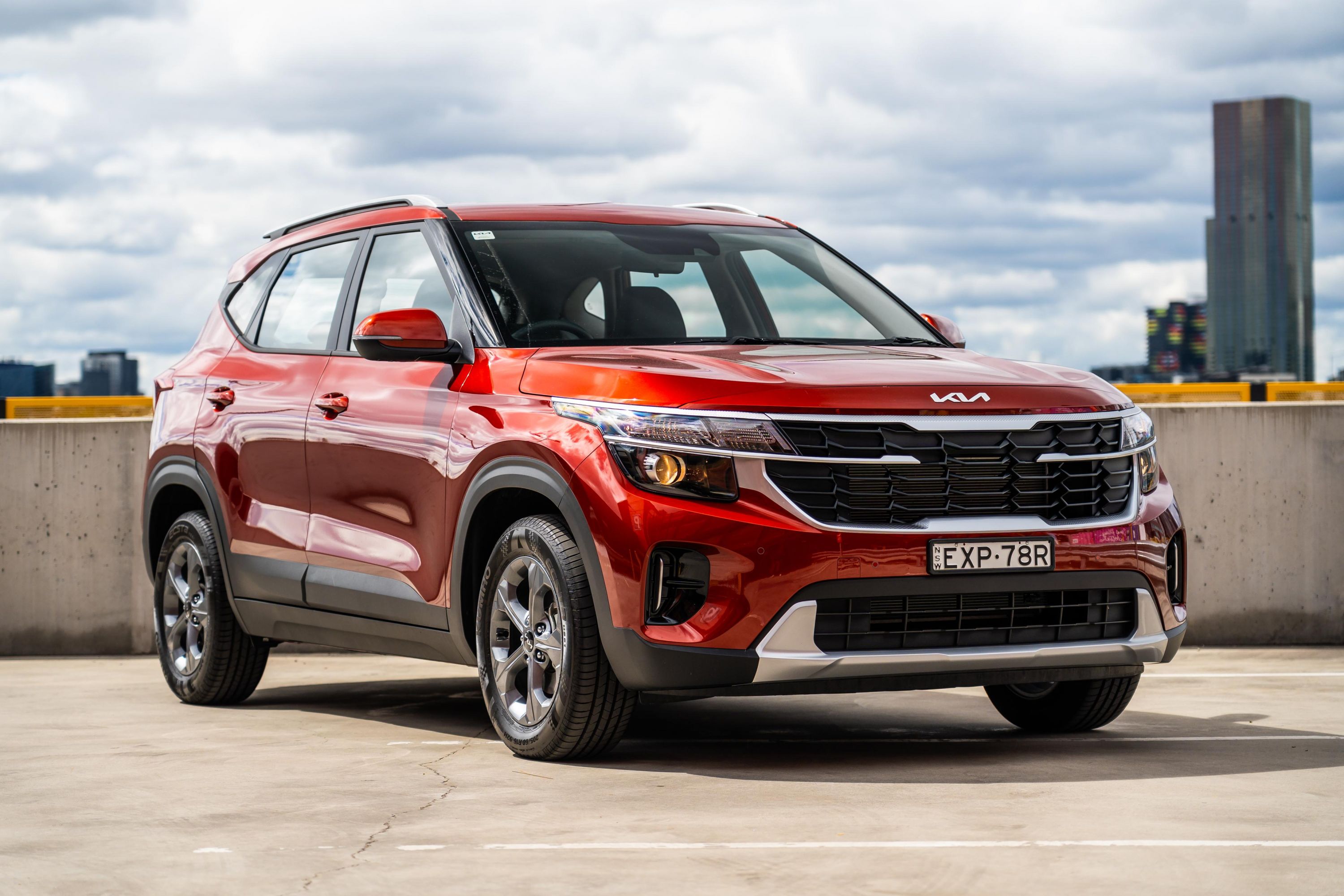
From a distance, the Seltos reads as confident and contemporary. Its proportions suggest SUV practicality, while its surface character—creases, lighting signatures, and a generally crisp stance—makes it feel current rather than generic.
Up close, the design doesn’t merely decorate. It supports visibility and everyday usability. The cabin layout aims for intuitive reachability: controls fall into familiar zones, and the driver’s view is designed to reduce the micro-fussiness that can make certain cars stressful to operate.
There’s also an understated sense of cohesion. Some subcompact SUVs look like they were assembled from separate design packets. The Seltos is more integrated, which matters because integrated design tends to age better.
Interior Layout: Comfort, Ergonomics, and Everyday Practicality
The most persuasive value argument often lives inside the cabin. The Seltos leans into a driver-focused layout with a practical center stack, straightforward climate controls, and an infotainment arrangement that doesn’t demand constant deciphering.
Short sentences are fitting here: it’s easy to live with. Your hands find the wheel, the gear selection and drive mode logic make intuitive sense, and the seat position supports a natural posture. On longer journeys, that posture becomes more than comfort—it becomes clarity, helping reduce the “tired eyes” syndrome many people experience after staring at busy dashboards.
Ergonomics also affect families. Rear passengers benefit from a seating layout that feels usable rather than cramped. While it’s still a subcompact SUV, the Seltos tries to maximize real-world space. The rear seat should accommodate common daily scenarios: school runs, grocery hauls with bags stacked thoughtfully, and the occasional impromptu trip when the itinerary shifts.
Infotainment and Connectivity: Feature Density With Usability
Modern buyers often arrive with a checklist: smartphone integration, navigation, responsive menus, and audio clarity. The Seltos generally meets that expectation with a system that feels designed for daily rhythm rather than one-time novelty.
Some systems look impressive but behave like puzzles. The Seltos aims for speed and familiarity. That matters when you’re switching between audio, directions, and hands-free calls. A good interface doesn’t announce itself; it just disappears into the background.
Depending on trim, you can expect varying levels of tech sophistication, but the overall intention is clear: give drivers tools that support convenience, not friction. Value increases when tech feels dependable rather than temperamental.
Driving Dynamics: The “Calm Competence” Factor
Subcompact SUVs often struggle with the tension between comfort and control. Ride can be stiff to compensate for weight, or steering can be numb to protect fuel economy. The Seltos typically targets calm competence—composed enough for city maneuvers, stable enough for open-road stretches.
In stop-start traffic, the suspension and steering tuning work to dampen the sharpness of road imperfections. That reduction in harshness may sound minor, but it has a cumulative effect. You arrive with less irritation, less stiffness, and fewer micro-adjustments.
On faster roads, the Seltos’s behavior centers on predictability. It doesn’t pretend to be a sports car, and it doesn’t need to. Instead, it offers confidence through balance: smooth inputs, steady grip, and a sense that the vehicle is listening.
Powertrains and Efficiency: The Practical Versus the Pretend
Many shoppers care less about horsepower theatrics and more about the “how does it feel doing normal things?” question. The Seltos generally delivers that practicality—smooth drivability, reasonable responsiveness, and an engine character suited to everyday use.
Fuel efficiency is part of the value equation, especially for commuters. When an SUV sips rather than guzzles, the purchase feels smarter every month. The Seltos’s approach tries to keep efficiency at the forefront without making acceleration feel strangled.
For buyers considering long-term ownership, a predictable powertrain is valuable because it reduces the likelihood of unpleasant surprises. You want confidence at dawn and calm at dusk.
Safety and Driver Assistance: Security That Doesn’t Distract
Safety features are rarely exciting, but they’re essential—and they influence value directly. The Seltos typically includes a suite of driver assistance technologies designed to protect occupants and reduce stress.
The best safety systems are the ones that support rather than overwhelm. Ideally, alerts are clear, timing is sensible, and the system doesn’t feel like it’s constantly second-guessing the driver. When those conditions are met, driver assistance becomes a quiet safety net.
For families and frequent travelers, this matters. It’s not just about avoiding incidents; it’s about reducing cognitive load during the moments when attention is already stretched thin.
Trim Levels and Options: Finding the Right Mix
The Seltos lineup can feel like a maze if you treat it like a shopping sprint. The value strategy is to match trim level to actual habits. If your lifestyle is urban and you park often, prioritize visibility aids, comfortable seating, and a user-friendly infotainment setup. If you travel frequently, weight shifts toward driver assistance, ride comfort, and cargo flexibility.
It’s also worth thinking about “option creep.” Buyers sometimes spend for features they rarely use, believing more is always better. A more effective approach is to identify the features that change your daily experience—heated seats for colder commutes, advanced safety tech for highway driving, and practical storage for family logistics.
With the Seltos, it’s possible to land at a sweet spot where the price remains sensible while the usability rises noticeably.
Ownership Costs: The Long Tail of Value
Value doesn’t end at the moment you sign. It extends into maintenance, reliability expectations, insurance considerations, and the durability of interior components that see constant use.
When a cabin feels solid and controls remain crisp, ownership becomes easier psychologically. Less weariness enters the relationship between driver and vehicle. That emotional stability is real; it affects satisfaction and resale confidence.
Even if two cars cost similar amounts upfront, the one that feels sturdier over time usually delivers stronger total value.
Who the Kia Seltos Is For
The Seltos fits a wide audience, but it especially appeals to these profiles:
Budget-conscious buyers who want modern features without stepping into mid-size pricing.
Families who need practical rear space and a comfortable cabin for errands and weekends.
Commuters who prioritize fatigue reduction—ride comfort, easy controls, and calm driving manners.
Comparative shoppers who want a straightforward alternative to more expensive competitors.
In essence, the Seltos is for people who want a car that fits life rather than forcing life to fit a car’s quirks.
Final Verdict: Is the Seltos the Best Value Subcompact SUV?
The Kia Seltos earns its “best value” conversation through breadth. It offers a balanced package: modern design, practical comfort, technology that supports day-to-day use, and a driving experience geared toward calm confidence. It doesn’t try to win every category through brute force; instead, it wins by consistency.
If value means getting the most everyday satisfaction per dollar—then yes, the Seltos makes a compelling case. After all, the best deals aren’t just cheap. They’re coherent. And in the subcompact SUV arena, coherence is a rare advantage.
For shoppers ready to choose their next daily driver, the Seltos stands as a smart bet: a vehicle that feels designed for real routines, with enough polish to make those routines more enjoyable.