The compact crossover is a curious creature. It looks familiar enough to blend into any driveway, yet it invites endless comparison—like two neighbors with similar lawns who somehow argue about everything else. Among the most enduring of those debates are the Honda CR-V and the Toyota RAV4. Both have built reputations on practicality, reliability, and everyday comfort. And yet, the fascination persists. People don’t merely want a car. They want the one that feels quietly inevitable—like the decision was made by the road itself.
What’s especially common is the observation that these vehicles are “close enough” on paper. Similar sizes. Similar missions. Similar promise. But the deeper reasons for their magnetic pull aren’t just numbers. They’re tied to how each brand interprets usefulness, how each vehicle treats daily life, and how ownership becomes a long-form relationship rather than a short-term purchase.
First Impressions: The Look of Confidence
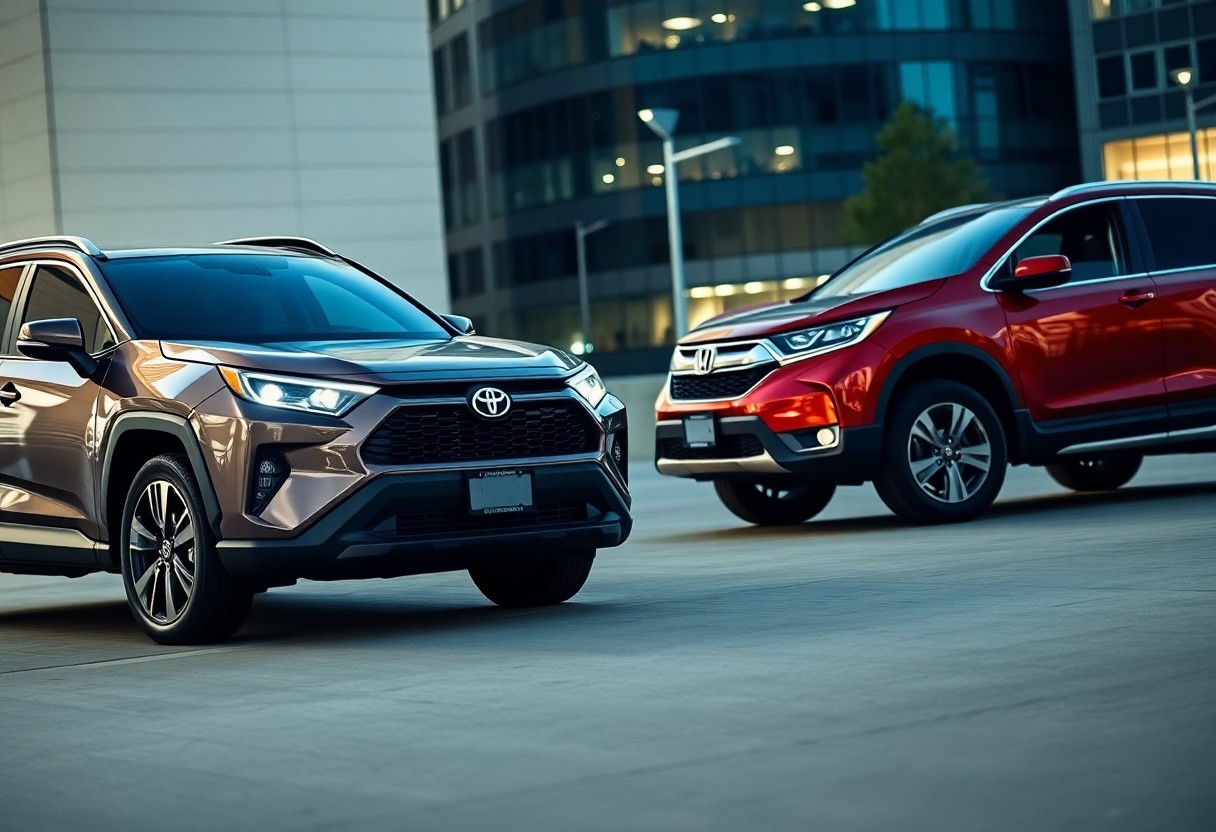
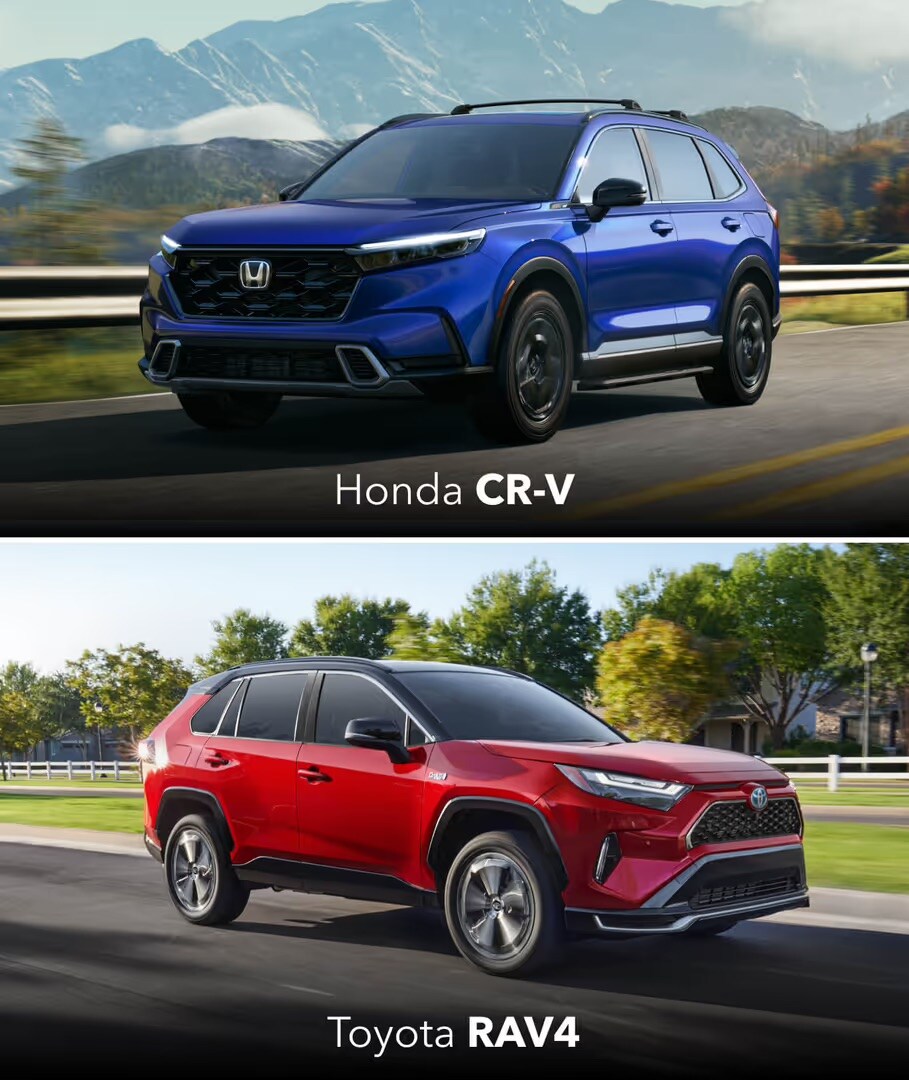
At a glance, both crossovers radiate competence. The CR-V tends to communicate a more modern, clean-lined demeanor—an expression that leans toward civic calm. The RAV4, by contrast, often carries a slightly more rugged charisma, as if it’s perpetually prepared for a weekend detour.
These stylistic differences aren’t merely cosmetic. They affect what drivers expect from the vehicle. When a design cues “urban refinement,” the interior becomes a sanctuary. When a design cues “outdoor capability,” the cabin feels like a tool shed for comfort—ready for weather, gear, and improvisation.
Cabin Atmosphere: Comfort That Feels Intentional
Step inside and you can feel the design philosophy. The CR-V commonly emphasizes an airy, easy-to-live-with environment. The driver’s area tends to feel neatly organized—like the dashboard has been edited for clarity. Controls and visibility often aim to reduce mental friction, which matters more than most shoppers realize.
The RAV4 often brings a different flavor of comfort. Its cabin frequently feels purposeful and practical, with a layout meant to keep daily tasks painless. Short trips, long errands, kids, groceries, and last-minute plans—these are where comfort becomes a measurable quantity. Not just “how it feels,” but how quickly it lets you move.
Both interiors can be excellent. Yet fascination builds when you realize that comfort is not the same as luxury. Comfort is the absence of irritation: the seat that supports without nagging, the cabin that stays calm at highway speed, the ergonomics that don’t ask you to adapt every time you drive.
Infotainment and Usability: Where Friction Hides
Most people shop with their eyes. But most frustration shows up later, when the car is already yours. That’s why infotainment deserves more than a cursory glance.
The CR-V’s approach often leans toward streamlined interaction—intuitive menus, recognizable layouts, and a general sense that technology should serve the driver instead of demanding attention. The RAV4 frequently mirrors that mindset with a focus on functional simplicity, especially for drivers who prefer quick access over labyrinthine features.
The deeper reason people obsess over these systems isn’t just screen size. It’s cognitive load. The best interfaces reduce the number of times you look away from the road. They make the vehicle feel like an ally instead of an appliance.
Powertrains and Driving Feel: Two Ways to Move Forward
Both the CR-V and the RAV4 aim for the kind of acceleration that doesn’t overwhelm. They’re designed for real life: merging onto highways, climbing gentle grades, passing without drama. The experience should feel smooth, not theatrical.
Where differences often emerge is in the character of the power delivery—how quickly the engine responds, how the transmission behaves in stop-and-go traffic, and whether the vehicle feels composed or busy during moderate acceleration. The CR-V typically tends toward a balanced, linear demeanor. The RAV4 often emphasizes confident motion, with some trims offering hybrid options that can make city driving feel remarkably efficient.
These driving traits shape perception. If a vehicle feels “predictable,” drivers relax. And relaxation is a form of performance—because stress shortens focus. That’s why the debate never quite ends. It’s not just about speed; it’s about temperament.
Fuel Economy: The Quiet Economy of Daily Miles
Fuel economy can be a spreadsheet topic, but it’s really an emotional one. A crossover that stretches a tank feels less like budgeting and more like freedom.
Depending on trim and drivetrain, the RAV4—especially in hybrid configurations—has often attracted attention for impressive efficiency. The CR-V also competes strongly in its lineup, with shoppers valuing straightforward economy and comfortable highway cruising.
Still, efficiency isn’t the whole story. The fascination tends to come from how the vehicle behaves when fuel savings meet real traffic. Smooth transitions, predictable throttle response, and calm engine operation can make a modest efficiency advantage feel larger than it is.
Handling and Ride Quality: Suspension as a Conversation
Ride quality is where crossover owners either feel understood or feel constantly corrected. The CR-V often aims for a ride that filters road imperfections without floating too far from control. It’s the sensation of being cushioned while still steering cleanly.
The RAV4 commonly targets stability with a slight emphasis on toughness—especially on trims designed for more adventurous use. The suspension tuning may feel more steadfast over uneven pavement, with the vehicle resisting the sense of “wallowing” during turns.
Both can be excellent for daily driving. But the key is matching temperament to preference. Some drivers want serenity. Others want steadiness. And those preferences reveal deeper personality traits—how you approach risk, how you handle uncertainty, how you interpret the road.
Space and Cargo: Practicality That Actually Works
Cargo space is the crossover’s true identity. What matters isn’t only total volume—it’s usability. Can you load groceries without wrestling the door? Can you fit a stroller without rearranging your entire day? Can your weekend gear disappear into the back without turning the trunk into a puzzle?
The CR-V is often praised for versatile cargo arrangements and a generally convenient layout. The RAV4 typically offers strong practicality as well, with configurations that accommodate everything from daily commutes to weekend errands that somehow multiply.
This is where the “close enough” observation breaks down. Two cars may have similar measurements, yet the one that loads more smoothly will feel larger. And that sensation sticks, because it shapes confidence every time you drive.
Safety and Driver Assistance: Confidence on Loan
Safety features tend to be discussed as checkboxes. But they’re better understood as a safety net that returns attention to the driver. These systems can help with lane keeping, collision mitigation, blind-spot awareness, and adaptive cruise behavior—each aiming to prevent the small mistakes that snowball.
Both Honda and Toyota deliver robust safety ecosystems. The deciding factors often come down to how features are calibrated, how early alerts appear, and whether the system feels seamless or overly intrusive. A well-tuned driver assistance suite doesn’t distract—it anticipates.
That anticipation is part of the fascination. People aren’t looking for perfection. They’re looking for reassurance, especially in those moments when concentration naturally frays—late afternoons, rainy commutes, or the stretch of road where fatigue accumulates.
Reliability and Ownership: The Long Game
Many buyers say they want reliability. But they mean something more specific: they want the ownership experience to feel calm. They want fewer surprises, fewer visits, and a vehicle that holds value because it remains dependable.
Honda and Toyota have both cultivated reputations for durability. Still, reliability is not just about avoiding failure. It’s also about how components age—brakes that last, transmissions that behave consistently, engines that don’t become a source of anxiety.
When shoppers compare the CR-V and RAV4, they’re often comparing philosophies. Honda can feel like a balance between everyday comfort and engineering efficiency. Toyota can feel like a meticulous approach to long-term consistency and efficient operation, particularly with hybrid powertrains that have earned widespread attention.
Trim Choices and Real-World Priorities
Choosing between these models can become confusing because the lineup is rich. But it becomes simpler when you decide what matters most.
If your days are urban—school pickups, quick errands, stop-and-go traffic—prioritize comfort, infotainment usability, and efficiency. If your weekends involve gravel pull-offs, road trips, or gear-heavy outings, consider drivetrain options and cargo practicality. If you spend long hours on highways, focus on ride composure, sound insulation, and driver assistance calmness.
The deeper reason for the “showdown” feeling is that each crossover invites different interpretations of what life looks like. One driver wants a refuge. Another wants a launchpad. Both can be right. The trick is to align the vehicle’s personality with your own.
Final Verdict: Choosing the One That Matches Your Rhythm
So, which one wins the Honda CR-V vs Toyota RAV4 compact crossover showdown? The answer isn’t a knockout. It’s a match.
The CR-V tends to appeal to drivers who value polished usability, a serene cabin atmosphere, and an effortless driving rhythm. The RAV4 tends to resonate with those who want practical versatility with a touch of rugged confidence—especially when hybrid efficiency is on the table.
In the end, the fascination isn’t just brand loyalty or feature comparison. It’s the feeling of finding the vehicle that disappears into your routine—in the best way. A great crossover doesn’t ask for attention. It earns trust, one ordinary mile at a time.
Whether you choose the CR-V or the RAV4, the most important test is the one that can’t be measured on a spec sheet: drive it long enough to notice how it behaves when the day gets busy.