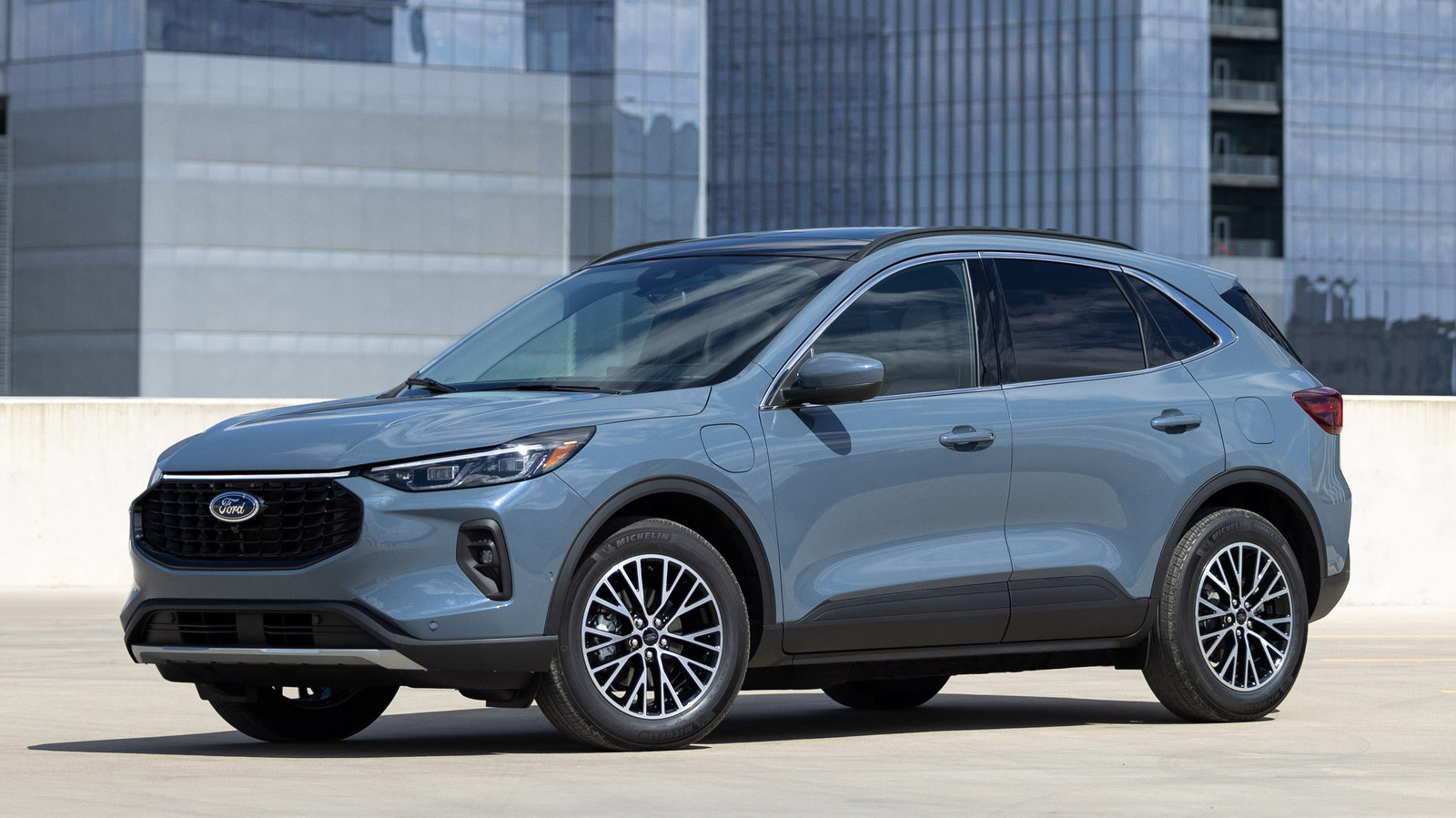
The Ford Escape has always carried itself like a versatile navigator—equal parts commuter compass and weekend trail map. In recent years, that adaptability has gained an extra layer of intrigue: electrification. The Escape now feels less like a single vehicle and more like a small ecosystem, offering hybrid and plug-in hybrid options that reframe how you think about distance, energy, and everyday momentum. One moment you’re gliding through morning traffic on stored electrons; the next you’re merging with the familiar confidence of a conventional engine.
Consider the Escape as a practical symphony. The hybrid routes the melody through both gasoline and electricity, balancing brisk response with a calmer environmental cadence. The plug-in hybrid, meanwhile, adds a deeper verse—one that can begin your day already charged, turning your commute into something closer to a quiet, efficient rehearsal. The result is a crossover that doesn’t just move you; it helps you choreograph your driving around how you live.
Escape as an “Energy Mixer”: How Hybrid and Plug-In Technologies Change the Feel
At the center of the Escape’s transformation is its approach to power. Traditional drivetrains are like a single-lane bridge: traffic moves one way, with little variation. Hybrid and plug-in systems are more like a multi-lane interchange. They route torque and energy where it’s most useful—using the electric motor for low-speed smoothness and stop-and-go efficiency, then blending in the gasoline engine when more output is needed.
In daily driving, this often translates into a distinct personality. Short errands become lighter in sensation. Acceleration can feel immediate, not because you’re chasing sports-car drama, but because electric torque arrives with the kind of instant availability that makes the car feel attentive. When the gasoline engine awakens, it tends to do so as a partner rather than a replacement, smoothing the handoff with a measured steadiness.
The plug-in hybrid version extends this concept. If you can charge at home or at work, the Escape can start with a larger electric reserve. That shift can be meaningful: mornings become an electric prelude, and the commute can unfold with fewer engine start-ups. It’s not magic—it’s logistics. But it feels like magic because the system is organized for your routine.
Hybrid Efficiency That Feels Earned, Not Forced
Hybrid efficiency isn’t always flashy. It’s the quiet arithmetic of deceleration, regenerative braking, and smart engine control. Press the brake lightly and the vehicle captures energy rather than wasting it as heat. Coast with intention and the system learns your pace, using momentum like a resource. This makes the Escape’s driving experience slightly more deliberate—like learning to play an instrument where timing matters.
That deliberateness can be its own reward. You begin to notice how the crossover responds when you lift off the accelerator earlier than you used to. You sense the car “thinking,” recalibrating the balance between electric assistance and engine output. The hybrid setup turns efficiency into a tactile habit rather than a spreadsheet outcome.
For buyers who want electrified benefits without rethinking their charging routine, the hybrid Escape can feel like the sweet spot. It offers reduced fuel consumption, smoother city driving, and a modern powertrain philosophy—without demanding that you plug in every night like a ritual.
Plug-In Hybrid Range: The Appeal of Starting the Day Already Charged
The plug-in hybrid Escape carries an additional promise: the chance to cover a meaningful portion of your daily driving on electricity alone. When the battery has been charged, the vehicle can rely on electric power for early miles, reducing engine activity and enhancing low-speed calm.
Think of it as a financial advantage you can access daily. Fuel becomes something you draw down only when you truly need to. The car essentially offers two budgets—electric and gasoline—and lets you spend them strategically.
There’s also the psychological lift. A plug-in hybrid can make commutes feel less like a chore and more like a curated route. Even if your overall mileage includes longer trips, the electric starting point can noticeably reshape your weekly fuel usage. It’s less about eliminating gasoline entirely and more about making gasoline a supporting character rather than the lead.
Daily Driving Dynamics: Quiet Confidence Through Stoplight Choreography
Crossovers are often evaluated by their stance—how they sit, how they look, how they feel when you first close the door. But the hybrid Escape introduces a second test: what happens after you’ve been driving for twenty minutes in the kind of stop-and-go traffic that usually turns patience into dust.
Electric assistance shines when you’re inching forward, merging gently, or leaving a parking space. The motor’s response can make the car feel buoyant at low speeds. Then, when you demand more—passing, climbing, or accelerating for highway integration—the engine joins in with purpose. The transitions tend to feel smoother than the old stereotypes of hybrid powertrains, where you could hear the system “decide.”
In a well-tuned plug-in hybrid, this choreography extends further. The initial electric miles can make the drive feel unusually serene, almost like the Escape is keeping a secret advantage for the early part of your day. Over time, that subtle calm can become a reason you prefer the car, not just a feature you admire.
Charging and Ownership Realities: Matching the Car to Your Life
Plug-in hybrids reward preparation. That doesn’t mean complexity; it means alignment. If you have access to charging at home, the Escape becomes an appliance with automotive consequences—effortless, habitual, and quietly transformative. If charging is sporadic, the plug-in hybrid still functions as a capable hybrid, but the “electric-first” advantage is more limited.
Here’s the practical metaphor: a plug-in hybrid is like a pantry stocked with ingredients. If you restock regularly, you can cook frequently without resorting to takeout. If you forget to restock, you can still eat—but you’ll rely more on the backup options. The Escape’s genius is that it never leaves you stranded; it simply adjusts the balance of power sources based on what’s available.
For many households, that balance is exactly what makes electrified ownership approachable. You get the flexibility of hybrid operation with the potential for meaningful electric driving—an honest compromise that still feels progressive.
Design, Comfort, and the “Crossover Lifestyle” with Electrified Purpose
The Escape’s exterior and interior identity remain firmly rooted in the crossover experience: visibility, practicality, and a cabin that welcomes everyday life rather than demanding it be performed on cue. Electrification doesn’t erase that character; it refines it.
In the hybrid and plug-in models, the vehicle’s calmness at low speeds complements the everyday comfort of commuting. The car can feel more relaxed when you’re navigating school drop-offs, grocery runs, or errands that require frequent stops. The powertrain’s ability to smooth torque delivery helps preserve a feeling of composure, especially in urban settings where conventional engines can feel coarse.

Who Should Choose Hybrid vs. Plug-In Hybrid?
Choosing between the Escape’s hybrid and plug-in versions is less about superiority and more about fit. Hybrid tends to appeal to drivers who want electrified efficiency without reworking their routines. If your days are unpredictable, your charging access is limited, or you travel longer distances regularly, the hybrid’s seamless self-sufficiency can be comforting.
Plug-in hybrid becomes especially compelling for drivers with a consistent commute and practical charging opportunities. If you return home nightly and can plug in, the ability to start with electricity can change your fuel habits quickly. It’s ideal for those who like the idea of using electricity as the default—like setting your household system to run on the cleanest power available during the hours you control.
Road-Trip Potential: Electricity as a Lever, Not a Limitation
Even when the Escape transitions back to gasoline power, the electrified architecture can still contribute to smoothness. The hybrid logic supports efficiency through varied driving conditions, while the plug-in hybrid can use both battery power and engine power as needed. On longer trips, this can mean less anxiety about “range” in the conventional sense, because the car remains capable even when the battery is depleted.
In other words, the Escape’s electrification isn’t a single-use tool. It’s a lever—something you can pull for city driving, something you can relax during open-road stretches. That flexibility can be the difference between a vehicle that’s technically impressive and one that’s genuinely livable.
Final Thoughts: The Escape as a Modern Companion for the In-Between Moments
The Ford Escape, in hybrid and plug-in forms, feels like it’s designed for the moments between things: between home and work, between errands and downtime, between stoplights and signals. Its electrified options don’t just target emissions or fuel economy. They reshape the rhythm of ownership, making efficiency feel like a companion you carry rather than a statistic you chase.
If you want a crossover that adapts to your routine with subtle intelligence, the Escape stands out. It’s a vehicle that treats electricity not as a novelty, but as an available resource—one that can quietly elevate ordinary drives into something more efficient, more composed, and unexpectedly satisfying.