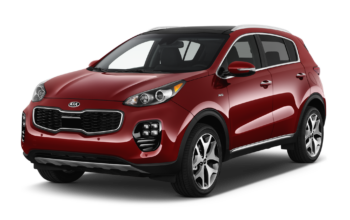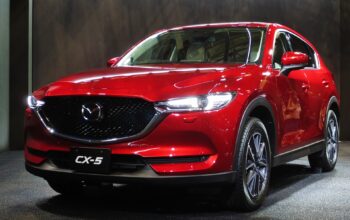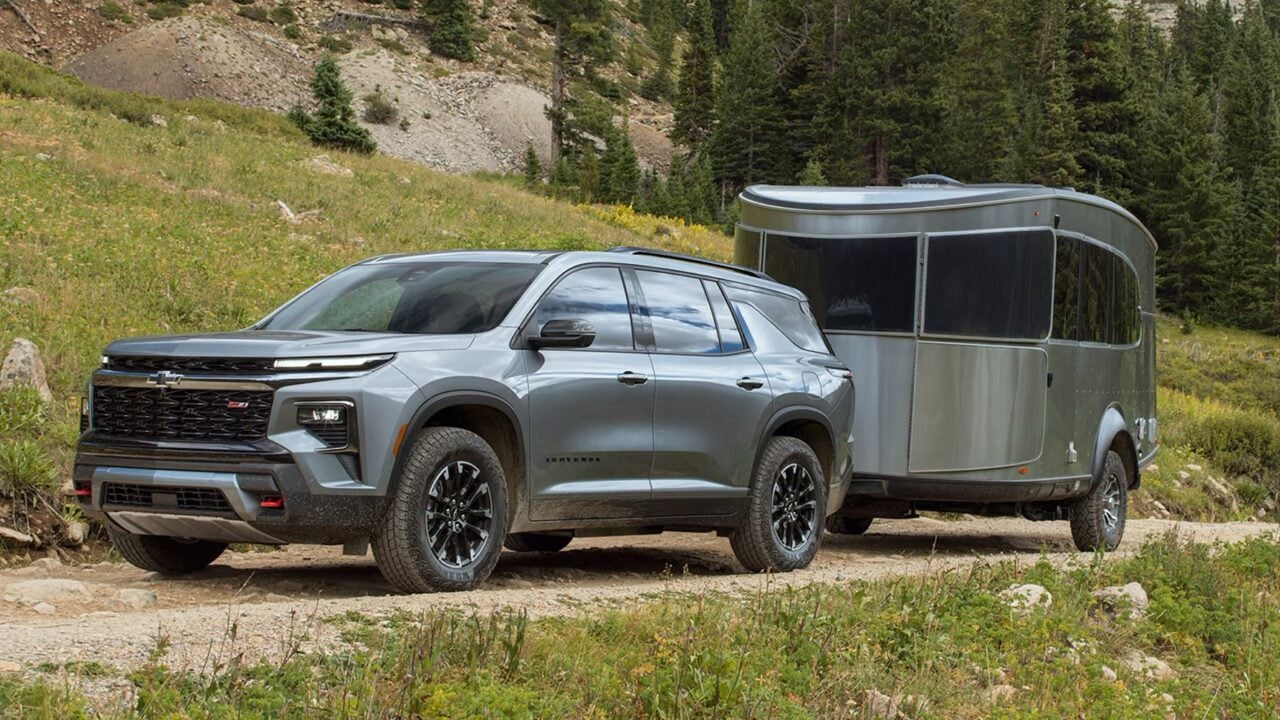
There’s a particular kind of freedom that comes from towing something small behind a crossover—compact campers, day-boats, or utility trailers that turn weekends into itineraries. In 2025, crossovers have grown up. Many now bring stronger cooling packages, smarter transmission calibration, and higher-capacity hitch ratings than earlier generations. Still, “capable” isn’t the same as “comfortable.” A good towing experience depends on weight distribution, payload realism, braking confidence, and the subtle art of matching the crossover’s personality to the trailer’s temperament.
Below is a practical tour through some of the best 2025 crossover options for towing small campers or boats, with a focus on the kinds of content readers can expect: how to evaluate ratings, what to look for in hitch and trailering tech, and which combinations tend to make life easier on highways and back roads.
How to Think About “Towing Capacity” Without Getting Tricked
Most shoppers start with the headline number—maximum towing capacity. That number, however, can be optimistic if the rest of the configuration isn’t considered. Every crossover has a payload limit (how much weight can be safely carried in the vehicle), and a trailer adds more variables: tongue weight, gear weight, and the weight of passengers you can’t realistically leave at home. The most dependable approach is to calculate your total trailer weight first, then verify that the crossover can handle it while still maintaining safe payload and tongue-weight margins.
Here’s the content readers often want but don’t always see: tongue weight is rarely negotiable. For most travel trailers and many boat setups, tongue weight commonly falls around 10–15% of total trailer weight. Too little tongue weight can cause sway; too much can overload the rear axle. That’s where “best” becomes technical rather than romantic.
In practice, you’ll also want to consider your driving profile. Mountains, headwinds, and sustained grades can stress the drivetrain even if the peak towing rating looks fine on paper. A crossover with a robust engine cooling system, high-capacity radiators, and a transmission designed for towing will feel calmer over long pulls.
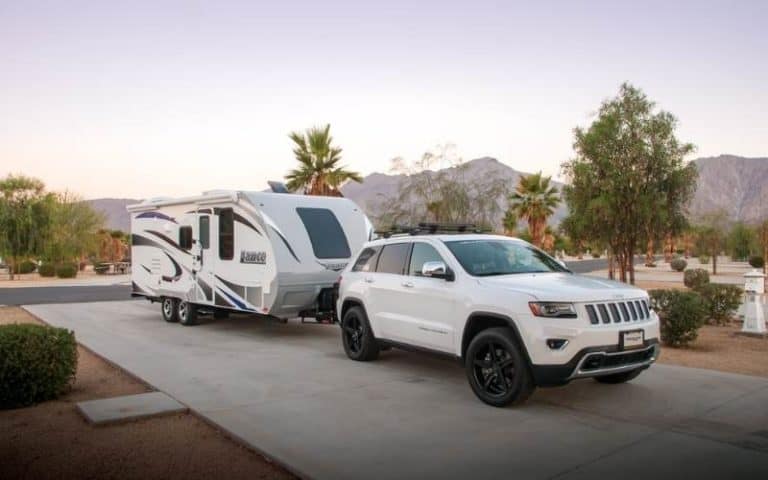
What 2025 Trailering Tech Should Include
Modern crossovers don’t just move weight—they orchestrate it. In 2025, many models offer integrated trailering features that make everything from lane changes to reversing feel less like guesswork. Look for a tow/haul mode that actively changes shift patterns for engine braking. Then check for trailer sway control, which detects oscillation and applies corrective braking and torque adjustments.
Hitch guidance and rear-view camera overlays can also help, especially when your boat or camper is slightly off-center. Some crossovers include predictive guidelines that adapt based on vehicle speed and steering input. These systems are not magical, but they reduce the mental overhead during tight maneuvers.
Finally, consider electrical readiness. Many trailers need a stable 7-pin connector, and some boats with battery systems require more careful electrical provisioning. A crossover with factory tow wiring and a correctly matched harness typically avoids the “mystery gremlins” phase that begins after the first trip.
Hybrid Crossovers: Quiet Torque for Smaller Trailers
Hybrid crossovers in 2025 are especially interesting for towing small campers and boats because their power delivery can feel smooth rather than jerky. Electric torque available at low speeds can help with initial acceleration and maintaining steady progress on moderate grades. The best hybrids also manage heat thoughtfully through cooling strategies that keep the powertrain within a safe operating band.
What readers should look for is not just total horsepower, but how the transmission behaves while towing. Some hybrids use electronically controlled gear management that can reduce hunting between ratios. That matters when you’re climbing steadily with a lightly loaded small camper or a boat trailer where you’re not constantly revving the engine.
Hybrid towing can be a sweet spot for stop-and-go roads, marinas, and campground approaches. Just be mindful: battery state can influence performance, and prolonged high-load towing may reduce electric assist. The “best” hybrid crossover for towing is often the one that maintains consistent behavior rather than the one that spikes impressively for a short burst.
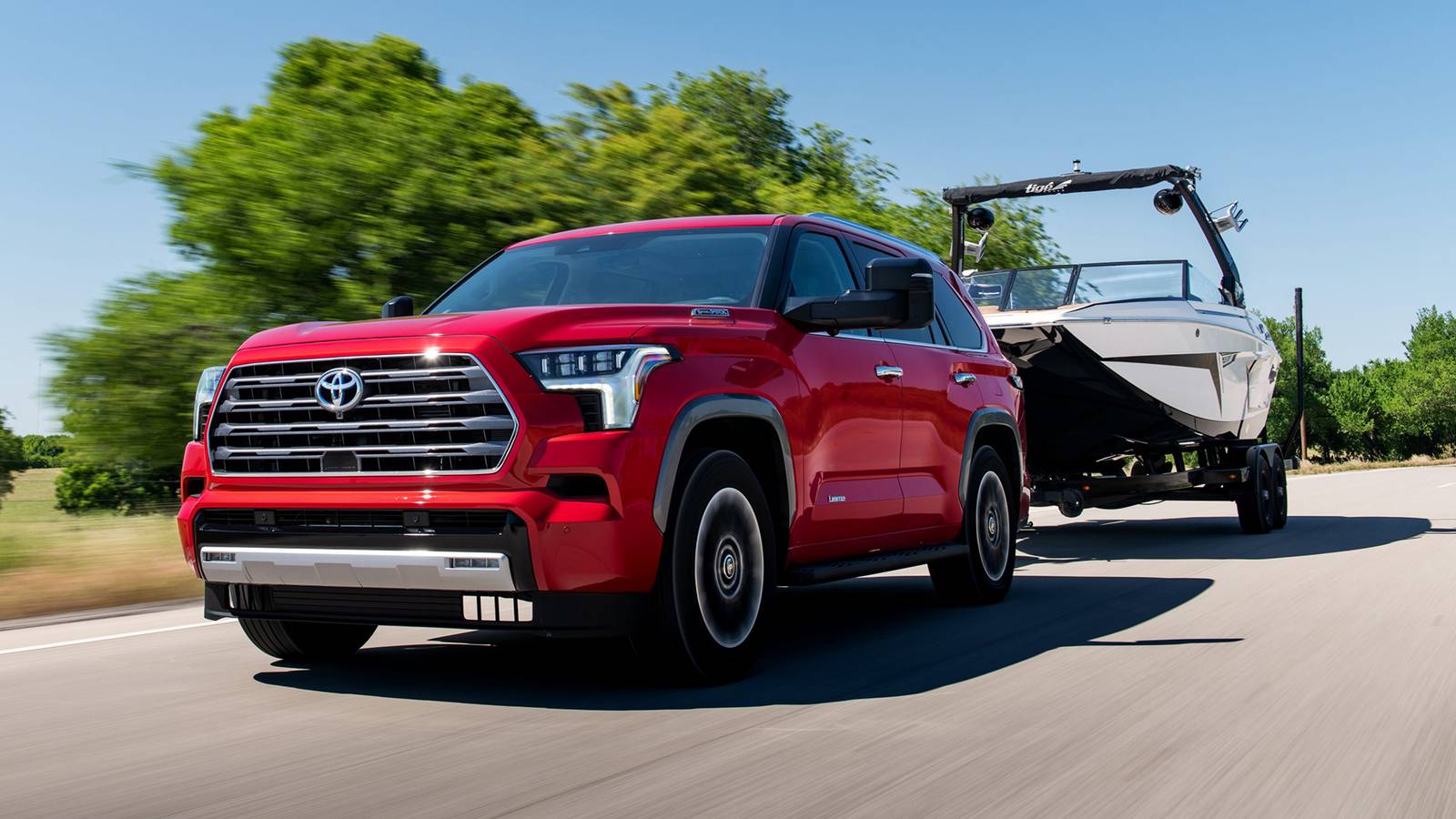
Turbocharged Gas Crossovers: The Classic Workhorse Approach
Turbocharged crossovers remain a dependable choice for towing small campers and boats because they tend to provide strong midrange torque. Midrange torque is what you feel when passing, climbing, and maintaining speed without aggressive downshifts. The best 2025 examples also pair turbos with well-mapped transmissions tuned for towing duty cycles.
When evaluating turbo gas models, pay attention to cooling and exhaust components. Towing creates sustained thermal loads. Crossover designs that include enhanced radiators and transmission coolers typically maintain power delivery longer, and this helps prevent derating during longer routes.
For readers who love concrete guidance: if your camper is small and your boat is modest in size—say, a lighter bass boat or a compact fishing setup—a turbo crossover often offers a satisfying balance of stability and affordability. The real differentiator is how calmly it handles the “boring” parts of towing: steady lane merges, highway grades, and consistent braking.
Three-Row Crossovers for Families and Gear-Heavy Trips
Sometimes the towing trailer is only half the story. On family trips, the crossover becomes a mobile storage unit. Three-row options can carry more passengers and more gear, which reduces how much stuff you end up cramming into the trailer. That matters because a trailer should be loaded intentionally, not as a dumping ground.
For small campers, extra cabin capacity can improve overall weight distribution. For boats, more cabin space can mean better organization—life jackets, coolers, and safety items packed so they don’t wander. A crossover that feels stable and composed while carrying passengers and towing is often more enjoyable than a lower-capacity vehicle that forces everyone into tight compromises.
When choosing a three-row crossover, don’t overlook rear-axle and tire load ratings. Tires often determine the real-world safety margin. Well-rated tires, properly inflated, can make braking and sway control feel more authoritative.
Stability, Braking, and the “Sway Reality Check”
Braking is the most underappreciated part of towing. Many crossovers use sophisticated electronic braking systems, but the experience still depends on brake torque, thermal capacity, and how the vehicle coordinates trailer braking (if equipped). If your trailer supports electric trailer brakes, a vehicle with an integrated brake controller (or one compatible with factory systems) is frequently the difference between confident stops and long pedal travel.
Sway behavior often emerges at speeds that feel “normal.” That’s why readers should plan test routes mentally: start with lower-speed maneuvers in open areas, then progress to moderate highways. A crossover that includes trailer sway control, along with sensors and well-tuned traction logic, can significantly reduce driver workload.
Also remember crosswinds. Boats—particularly those mounted higher on trailers—catch wind like sails. The crossover’s stability control and tire grip help, but your driving habits still matter: smooth steering inputs, conservative speeds, and steady throttle can prevent many scare moments.
Choosing the Right Hitch, Tow Wiring, and Trailer Setup
The towing system is only as strong as its weakest component. A correctly installed hitch mount and the proper ball height help align the trailer frame to reduce stress and maintain predictable geometry. When the trailer sits slightly nose-up or nose-down due to improper setup, handling can degrade even if the weight is within spec.
Wiring matters, too. Loose connections can create intermittent brake or light failures. For boats, battery charging systems can add complexity. A tidy wiring harness with protected routing and correct amperage provisions typically yields fewer roadside disruptions.
Readers should also expect the practical details: matching weight distribution hardware (when appropriate), confirming tire pressures on both vehicle and trailer, and using safety chains that cross correctly. These steps are not glamorous, but they are the backbone of calm towing.
Typical Use Cases: What Each Tow Setup Feels Like
Not all small trailers tow the same. A small teardrop camper tends to be narrower and lower, often behaving more predictably. A small travel trailer can be longer and higher, with more exposed surface area. A boat trailer introduces unique dynamics: load changes as you load fuel and gear at the marina, and the trailer can be more sensitive to tongue-weight variation depending on how the boat’s center of gravity aligns.
In 2025, the best crossovers tend to share a trait: they maintain composure when the scenario changes. You drive differently leaving the driveway with a full cooler than you do when the boat is perfectly balanced for launch day. The crossover’s transmission logic, stability system, and thermal management determine whether that difference feels manageable or stressful.
Quick Checklist Before the First Trip
Before you hit the road, confirm the full weight picture: the trailer’s actual scale weight, your vehicle’s cargo and passenger load, and the tongue weight measurement. Verify brake controller settings if your trailer uses electric brakes. Inspect hitch hardware, safety chains, and wiring. Confirm tire condition and proper pressures. Then plan your route with attention to grades, stop frequency, and wind exposure.
Finally, practice a short reversing session. Backing a trailer is a skill, not a talent. A crossover with a good rear camera, stable steering feel, and consistent traction control makes the learning curve gentler.
Conclusion: Finding the Best 2025 Crossover Match
The best 2025 crossovers for towing small campers or boats aren’t simply defined by their maximum towing numbers. They’re defined by how smoothly they deliver torque under load, how confidently they manage sway and braking, and how thoughtfully their trailering tech integrates with real-world setups. When the math meets the mechanics—payload, tongue weight, tires, and wiring—towing becomes less about endurance and more about anticipation.
Choose the crossover that aligns with your trailer’s weight, your driving terrain, and your family’s actual packing habits. Then let the road do what it’s meant to do: stretch time, invite discovery, and turn ordinary weekends into the kind of stories people still talk about long after the hitch is unlatched.