Affordability is more than the sticker price. In 2025, drivers are recalibrating budgets around monthly insurance premiums, deductibles, and the quiet (but costly) surprises that arrive after a claim. A crossover that feels reasonable at purchase can become a financial stressor if its repair bills are steep or its safety credentials don’t translate into lower underwriting risk.
So the question becomes: which 2025 crossovers strike the best balance between purchase cost and insurability? Below is a reader-friendly guide to the top 10 most affordable 2025 crossovers to insure, framed around the factors that typically shape premiums—vehicle value, safety technology, repair complexity, theft likelihood, and driver-assistance performance.
Expect a blend of practical advice and narrative clarity. As you read, you’ll see how insurers think, why certain design choices matter, and what you can do to keep your premium from ratcheting upward at renewal.
How Insurance Pricing Really Works for Crossovers
Insurance pricing resembles a mosaic: multiple tiles combine to create your final premium. Insurers start with the base risk profile—age, location, driving history, and coverage limits—then layer in vehicle-specific details. Crossovers with widely available parts, modest engine output, and predictable repair procedures often receive more favorable rate calculations.
At the same time, underwriting doesn’t treat all “affordable” the same. A low purchase price can still produce higher premiums if the vehicle is expensive to repair or if its popularity attracts theft. Conversely, a crossover that’s slightly pricier can insure affordably if it’s built with durable components, accessible parts, and advanced safety systems that reduce claim frequency.
In 2025, accident-avoidance technologies are increasingly central. Systems that mitigate frontal impacts, lane departures, and pedestrian collisions can nudge insurers toward lower expected losses. But the real-world translation matters: technology must actually perform, not just exist.
What Makes a Crossover “Affordable to Insure” in 2025
Affordability-to-insure generally clusters around five attributes:
1) Repair economics: Common platforms mean less expensive bodywork and easier sourcing of parts.
2) Safety credibility: Modern crash performance and driver assistance can reduce both severity and frequency of claims.
3) Theft and vandalism exposure: Models with lower theft rates or effective immobilizers tend to cost less to insure.
4) Powertrain predictability: Mainstream drivetrains and fewer exotic components can reduce out-of-pocket repair costs.
5) Claims history patterns: Even two vehicles with similar prices can diverge in insurance cost based on local claim trends.
These elements interact like a lock-and-key system. If repair costs are moderate but theft risk is high, premiums may rise. If safety tech is robust but the vehicle is rare, parts scarcity can also inflate costs. The best choices typically balance all five.
Top 10 Most Affordable 2025 Crossovers to Insure
The list below focuses on models that, in general, tend to land in the insurance-friendly zone: mainstream build quality, manageable repair profiles, and safety features that often contribute to favorable underwriting results.
Note: Final premiums depend on your zip code, coverage limits, driving record, and deductible selection. Use this as a shortlist, then verify with quotes for your specific situation.
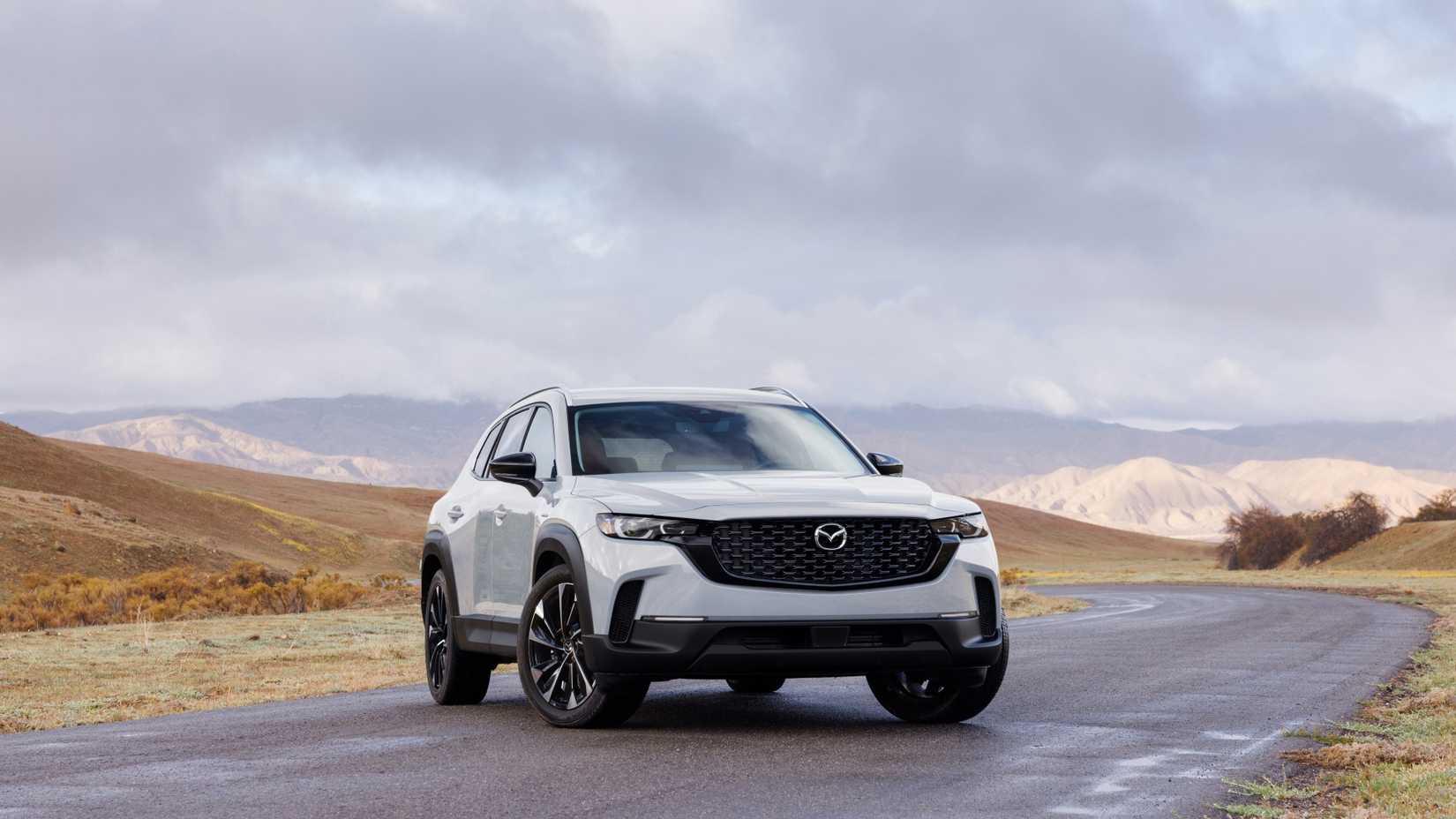
1) Mazda CX-50 (Trim Discipline for Lower Premiums)
The Mazda CX-50 frequently attracts drivers who want a crossover with a composed ride and confident visibility. For insurance affordability, trimming can be the lever. Insuring a model with fewer performance-oriented options can keep expected claim costs under control. Additionally, vehicles with strong safety engineering can help stabilize premium growth over time.
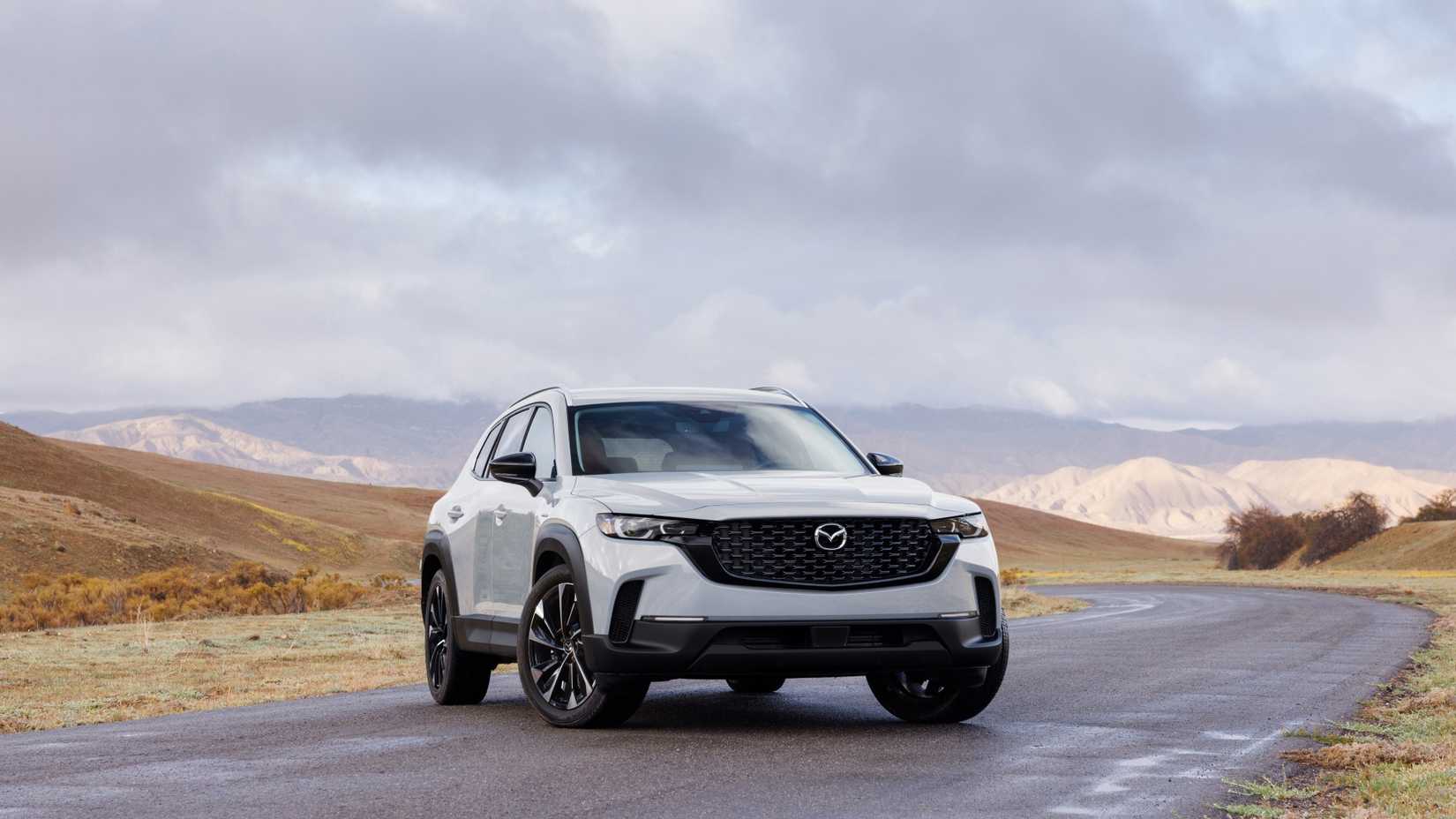
Long sentences have their place, but premiums demand focus. The CX-50 often wins when drivers choose the right trim and avoid adding expensive-to-repair packages.
2) Honda CR-V (The Insurance Classic)
Honda’s CR-V has become a baseline reference point in many underwriting departments. Its widespread presence usually translates into abundant parts availability and well-understood repair procedures. That matters. Insurers dislike uncertainty—repair costs that are hard to estimate tend to become higher premiums.
Safety tech is also a consistent theme across many CR-V configurations. When collision mitigation systems are standard or commonly equipped, insurers may treat the risk profile as more favorable than you’d expect for a family-oriented crossover.
3) Toyota RAV4 (Reliability Meets Predictable Repair Costs)
The RAV4’s insurance appeal often comes from a combination of dependable ownership patterns and broad servicing familiarity. Underwriters typically respond well when a vehicle’s repair timeline is reasonable and part sourcing isn’t a logistical obstacle.
If you’re trying to keep insurance costs from expanding like a balloon, a RAV4 configuration that avoids highly specialized features can be a prudent move. Standard safety equipment and mainstream trim choices often help keep claims frequency and severity closer to average.
4) Subaru Forester (Safety Reputation as a Premium Stabilizer)
Subaru Forester models frequently benefit from a safety-forward reputation, especially in regards to collision avoidance and occupant protection. In practice, insurers look for designs that reduce injury severity and keep repair expenses manageable. The Forester tends to align with those underwriting instincts.
Another quiet factor is traction and stability. While it won’t erase risk entirely, a vehicle that inspires better control during adverse conditions may help reduce the number of incidents that escalate into claim-worthy events.
5) Hyundai Tucson (Value-Centric Coverage Potential)
Hyundai Tucson often occupies the intersection of modern features and approachable ownership costs. Insurability frequently hinges on how parts and repair methods scale with demand. Tucson’s mainstream footprint can work in its favor, especially when you choose trims that avoid costly cosmetic or technology add-ons.
Shorter words can carry long meaning here: “value” isn’t just purchase price—it’s also how often the vehicle ends up in expensive repair cycles.
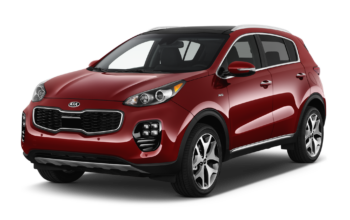
6) Kia Sportage (Common Parts, Manageable Complexity)
The Sportage typically offers a blend of comfort and technology, but its insurance affordability is often tied to how repair complexity is perceived. Vehicles that rely on broadly used mechanical components and maintain mainstream service procedures can help keep premiums within a more predictable range.
When comparing quotes, consider how trim options affect risk. Some packages may add sensors, cameras, or advanced lighting systems. Those can be great features, but they can also raise replacement costs after an accident.
7) Volkswagen Taos (Compact Crossover Insurability Advantage)
Taos is a compelling “smaller crossover” option. In insurance terms, smaller often means lighter repair complexity—especially when parts and body panels are less intricate than on larger crossover segments. Insurers also tend to view compact crossovers as having different usage patterns, which can influence claim likelihood.
If you’re optimizing budget without sacrificing comfort, the Taos often lands in a sweet spot for cost-conscious drivers.
8) Chevrolet TrailBlazer (Premium-Friendly Mainstream Options)
The TrailBlazer has often been viewed as an economical crossover alternative, and that can extend to insurance affordability. Underwriting frequently rewards models that don’t invite outsized repair bills. Mainstream service availability and common component sourcing usually help.
Keep an eye on how optional equipment affects pricing. Features that look seamless on day one can become costly on day thirty after hail, vandalism, or a parking-lot bump.
9) Ford Escape (Broad Availability, Familiar Repair Ecosystem)
Escape models can be insurable at reasonable rates partly because Ford’s presence in the market creates an ecosystem for parts and repairs. This “familiarity effect” matters when a body shop needs to estimate costs quickly and accurately.
For budget insurance outcomes, selecting safety and driver-assistance configurations that are consistently equipped can help. Insurers often respond favorably to predictable safety feature sets.
10) Nissan Rogue (Comfort Meets Cost-Control)
The Rogue has a strong reputation for daily usability. In the insurance world, daily usability can translate into lower surprise costs. Broad adoption typically means parts are available without the long delays that push repair expenses upward.
To keep premiums in check, align coverage with your financial reality. If you can absorb a moderate deductible, that choice can reduce your monthly rate. If not, consider whether lowering deductible might be safer than paying for it through a higher premium.
How to Quote for the Lowest Premium Without Cutting Too Deep
Before choosing your final crossover, run quotes on the exact trim you intend to buy. Even small differences—wheel size, lighting packages, and advanced driver-assistance bundles—can affect replacement cost. Insurers may price “the same model” differently if the equipped hardware differs.
Also scrutinize coverage structure. Liability limits drive a major portion of your premium, but collision and comprehensive coverage control your repair replacement exposure. If your budget is tight, a higher deductible for collision/comprehensive can reduce monthly costs, provided you can cover it if the unexpected arrives.
Finally, consider bundling. Multi-policy discounts can soften the blow. Paying annually instead of monthly can also reduce administrative charges.
Pro Tips to Keep Insurance Affordable After Purchase
Insurance affordability doesn’t end at checkout. A few behaviors consistently support better renewal pricing: maintaining a clean driving record, avoiding frequent claims, and using reputable repair networks when available.
If you park in a garage or in a monitored area, you may qualify for lower risk assumptions. Theft deterrents, anti-lock braking systems, and electronic immobilizers can contribute to improved risk scoring. Even driver telematics programs—when you’re comfortable with them—may offer discounts based on real driving habits.
Keep your policy updated. Move addresses carefully in your insurer’s system. A small zip code shift can alter premium calculations dramatically.
Choosing the Right Crossover: Affordability Meets Confidence
Affordable insurance is not merely a number. It’s the feeling that your monthly payment won’t become a recurring obstacle, and that repairs won’t turn into financial paralysis. The crossovers above tend to align with the underwriting factors that matter most: predictable repair costs, safety-forward design, and mainstream availability.
When you’re ready, create a short list of two or three models, then quote them with the same coverage limits and deductibles. The lowest premium isn’t always the best deal if it comes with thinner protection. Aim for balanced coverage that reflects both your risk tolerance and your ability to handle a claim.
Conclusion: A Smarter Way to Buy in 2025
In 2025, the most affordable crossover to insure isn’t always the one with the lowest price tag—it’s the one that fits your insurance profile and reduces the probability of expensive claims. By understanding how pricing works, selecting sensible trims, and quoting consistently, you can secure a vehicle you enjoy driving and an insurance policy that behaves predictably.
Choose with intention. Let safety tech help you, not just impress you. And remember: the best bargain is the one that stays affordable after the first renewal.