There’s a particular kind of anticipation that arrives when you picture plugging in at home. The garage light clicks on, the cable finds its place, and the day’s energy demand quietly becomes tomorrow’s mobility. Yet the real magic of home charging isn’t just the convenience—it’s the cost structure hiding behind every session. With the Chevrolet Equinox EV, the numbers can feel deceptively simple at first glance, then suddenly complex the moment you begin asking the right questions: How much does one charge actually cost? What does “speed” really buy you? Which assumptions inflate the bill? The aim here is to shift your perspective—away from “How much per hour?” and toward “How much per mile, per kWh, and per day.” That’s where curiosity turns into control.
Let’s walk through a home charging cost breakdown for the Equinox EV, not as a dry spreadsheet, but as a narrative of energy decisions—meter readings, charging curves, installation choices, and the quiet influence of your local electricity rates. Along the way, you’ll see how small variables can either sharpen your savings or quietly blur them.
Start With the Unit That Runs the Show: kWh
Most home charging costs are governed by a single currency: the kilowatt-hour, or kWh. This is the measure of energy your vehicle receives from the wall. Your electricity provider translates kWh into dollars, and your charging equipment translates kWh into miles.
To estimate charging cost, you need two ingredients:
1) the price per kWh on your electric bill, and 2) the amount of energy you’ll replenish into the battery during charging.
That second part is where people often stumble. They assume “battery capacity” equals “energy needed.” In reality, charging efficiency and charging behavior mean you usually draw more energy from the wall than the battery net gains. Think of it like transferring water through a hose: some water evaporates along the way. Efficient? Yes. Perfectly clean transfer? No.
From Wall to Battery: Understanding Charging Efficiency
When the Equinox EV charges, several factors determine how much of the drawn electricity becomes usable battery energy. Even at home, there’s conversion loss in the charging electronics and additional overhead for thermal management—especially when temperatures are extreme.
In practical terms, efficiency is the invisible tax that sits between your utility meter and your vehicle’s state of charge. A typical rule of thumb used in cost modeling is to assume you’ll pay for more kWh than the battery reports as added range. The exact figure depends on conditions, but the strategy remains: plan with a buffer so the estimate doesn’t underpromise.
The curiosity-worthy twist? If you charge at the right time of day, your “cost per kWh” might drop dramatically, making efficiency loss less painful. In other words, energy efficiency and rate efficiency work together like duet performers.
Choosing a Charging Level: Where Costs Diverge
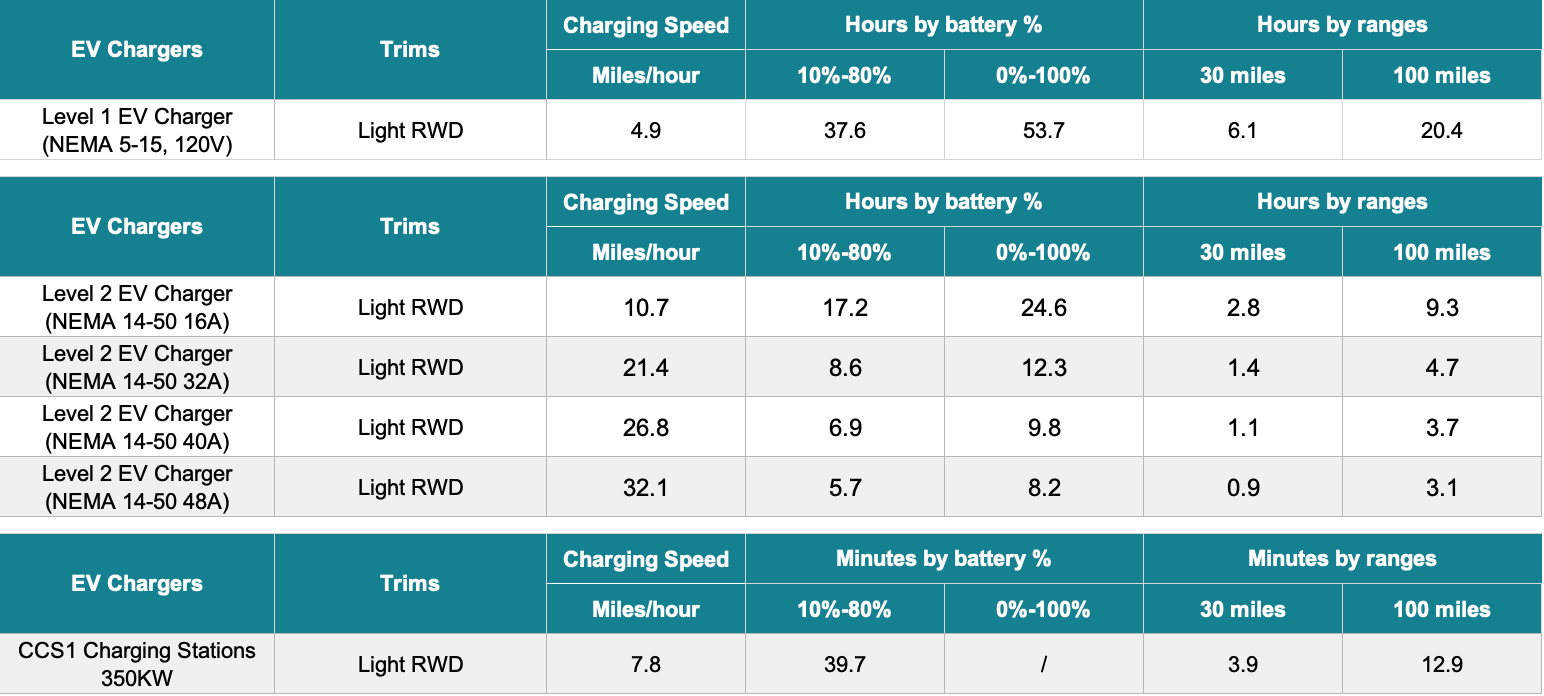
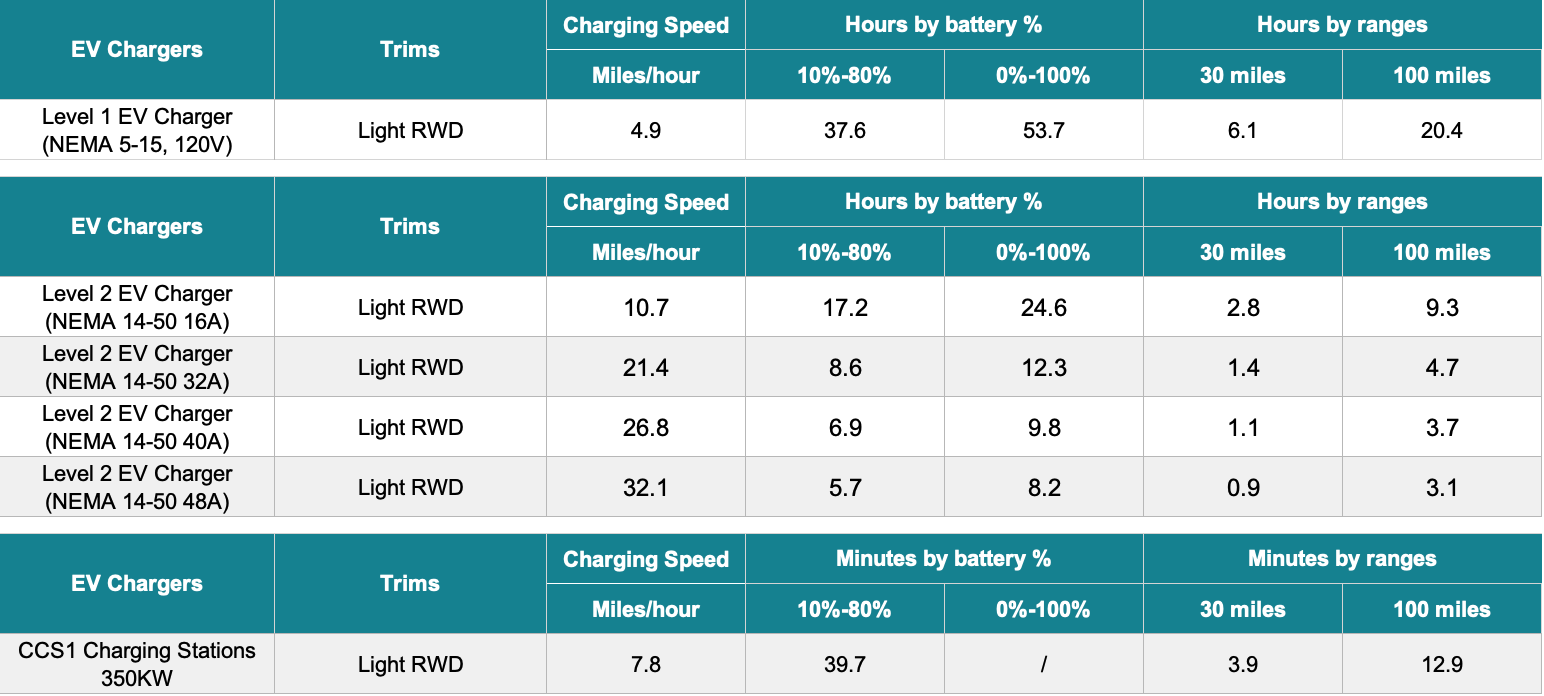
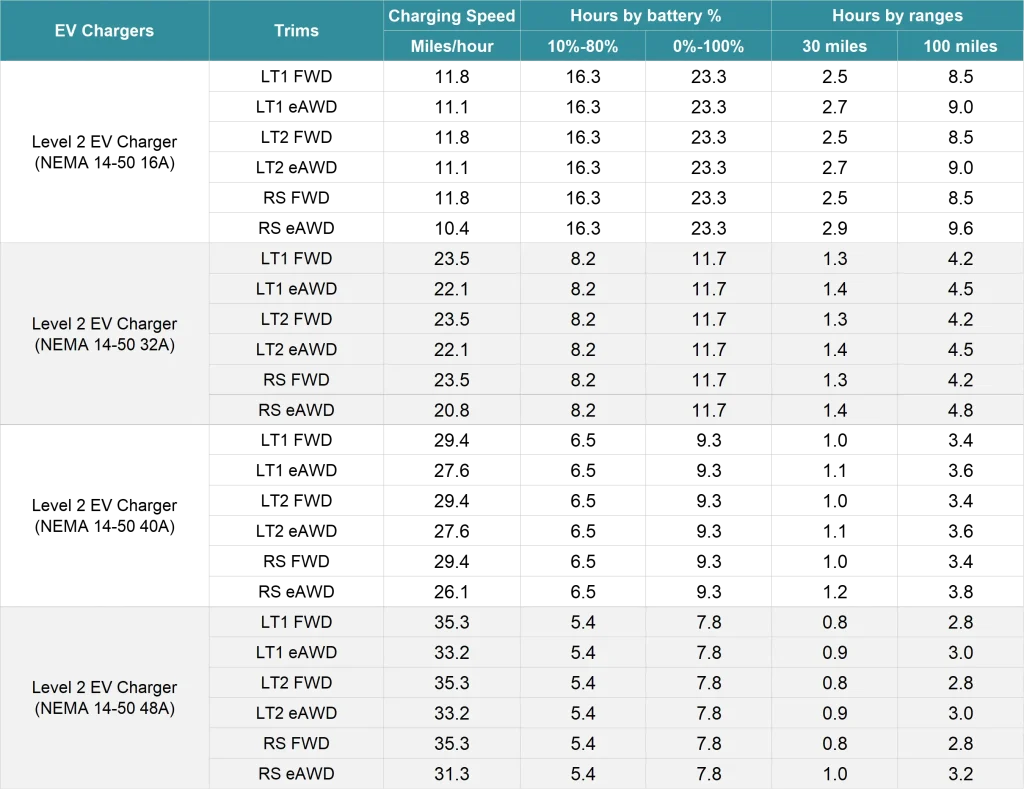
Home charging usually comes in two dominant flavors: Level 1 (standard household outlet) and Level 2 (a dedicated EV charger). Level 1 is familiar, almost casual. Level 2 is purposeful, faster, and—once installed—more predictable for scheduling.
Level 1 tends to be cheaper upfront because it requires no dedicated hardware. But time is the trade. Longer charging sessions can still be economical, especially if you’re not constrained by daily deadlines. The day after, the bill may be steady rather than surprising.
Level 2 typically demands installation costs (cable runs, electrical upgrades, permitting). Yet it can reduce “calendar pressure”—the sense that you must charge faster than your routine allows. Faster isn’t automatically cheaper, but it can improve your ability to exploit off-peak rates or your preference for charging from lower states of charge.
The Real Cost Equation: Energy Needed × Rate × Efficiency
Now the moment you’ve been waiting for: the cost breakdown formula. It’s not complicated—just easy to misapply.
To estimate a full recharge, you can think in steps:
1) Determine how many kWh you need to add. This depends on how empty the vehicle gets before you plug in and how full you want it to be when you leave.
2) Multiply that by the electricity rate per kWh.
3) Account for efficiency by scaling upward the energy drawn from the wall.
To make this feel tangible, consider how charging behavior changes costs. If you routinely start from a low state of charge and drive short distances afterward, your “energy per mile” can become remarkably stable. If you instead charge only occasionally, from very low to very high, you may face a higher total energy draw—and possibly longer overhead due to battery management needs at different charge levels.
It’s not merely arithmetic. It’s rhythm.
Partial Charges vs. Full Charges: The Pricing Psychology
A common assumption is that “charging to 100% is always the same.” But your costs—and your battery experience—are shaped by where you begin and end each session.
Charging often slows as the battery approaches higher states of charge. That doesn’t always mean expensive energy, but it does mean energy transfer can be less brisk. Depending on how your utility charges you (pure energy rates versus time-of-use), the slowed charging can matter more than you expect.
Many drivers benefit from a pattern of frequent, partial top-ups—especially if daily mileage is moderate. This can reduce the number of long sessions and keep your driving schedule frictionless. The cost result can be smoother, less spiky. No dramatic monthly “wait, what happened?” surprises.
Time-of-Use Rates: Turning the Clock Into a Discount
Electricity isn’t uniform. Rates can vary by time—sometimes dramatically—through time-of-use (TOU) plans. With TOU, the same kWh can cost less at night or during off-peak hours.
This is where your charging plan becomes a strategy, not a habit. If you can reliably plug in during off-peak windows, your cost per charge can drop without changing your lifestyle. The Equinox EV’s home charging capability makes this especially compelling because you can align charging with your routine: plug in after work, charge overnight, leave in the morning.
Short sentence, sharp impact: Rate timing can matter as much as charging speed.
Installation and Equipment Costs: The Hidden Chapter
Home charging cost breakdowns often ignore the upfront reality. A Level 2 setup is more than a cable—it’s the installed charging ecosystem. That can include electrical upgrades, labor, permits, and mounting hardware.
To evaluate whether Level 2 makes financial sense, think in terms of amortization. Spread the installation cost across expected charging sessions over time. If you drive frequently, you’ll use the charger more, and the payback period typically shortens. If you drive rarely, you may prefer a minimal setup and let Level 1 do the slow, steady work.
Curiosity point: many people focus on monthly charging dollars and overlook the “forever cost” of installation. But once you incorporate both, the decision becomes clearer and more confident.
Maintenance, Wear, and Practical Overheads
Charging equipment usually doesn’t require much day-to-day maintenance. Still, there are practical overhead costs: occasional inspections, keeping connectors clean, and ensuring proper ventilation and cable routing. These are minor compared with energy costs, but they shape long-term reliability.
Also consider energy overhead from your home environment. If your garage or driveway conditions force more active thermal management, the energy usage per session can shift. It’s subtle, but it’s real. A well-sealed garage and moderate temperature conditions can help reduce variance.
Scenario Breakdown: What Your Monthly Cost Could Look Like
Monthly charging cost is best thought of as a set of scenarios. Imagine three patterns:
Scenario A: Frequent short drives, partial charges. You recharge often but not to the top. Costs tend to be steady and predictable.
Scenario B: Longer weeks, fewer charges. You might charge deeper into the battery window more occasionally. Total kWh per month could be similar, but sessions may be longer and less rate-optimized.
Scenario C: Tight schedule with daytime charging needs. If you must charge during expensive rate windows, your energy cost can rise even if your total kWh is unchanged.
In each scenario, your lever is the same: control kWh. Then use timing to control dollars.
How to Measure Instead of Guess
Numbers become trustworthy when you measure your own patterns. If your home charger displays energy delivered (many do), you can track kWh per session. Compare that with your mileage totals. Over time, you’ll see an individualized “cost per mile” profile.
This transforms uncertainty into a personal dashboard. It also reveals the moments when charging efficiency changes—like weather shifts or different charge targets. Knowledge like that doesn’t just reduce cost. It reduces anxiety.
Outro: A New Lens on Home Charging Costs
Home charging for the Chevrolet Equinox EV is more than plugging in. It’s a sequence of choices—battery energy to replenish, efficiency losses, electricity pricing, and the timing of your daily routine. When you adopt that broader lens, the cost stops being a mystery. It becomes something you can choreograph.
Curiosity has a payoff here: you gain leverage. You can optimize your rate timing, choose a charging cadence that fits your driving, and evaluate whether Level 2 is an investment—or simply a convenience. The best part is that each month becomes a little more predictable than the last, until charging feels less like an expense and more like a controlled, dependable extension of your life.